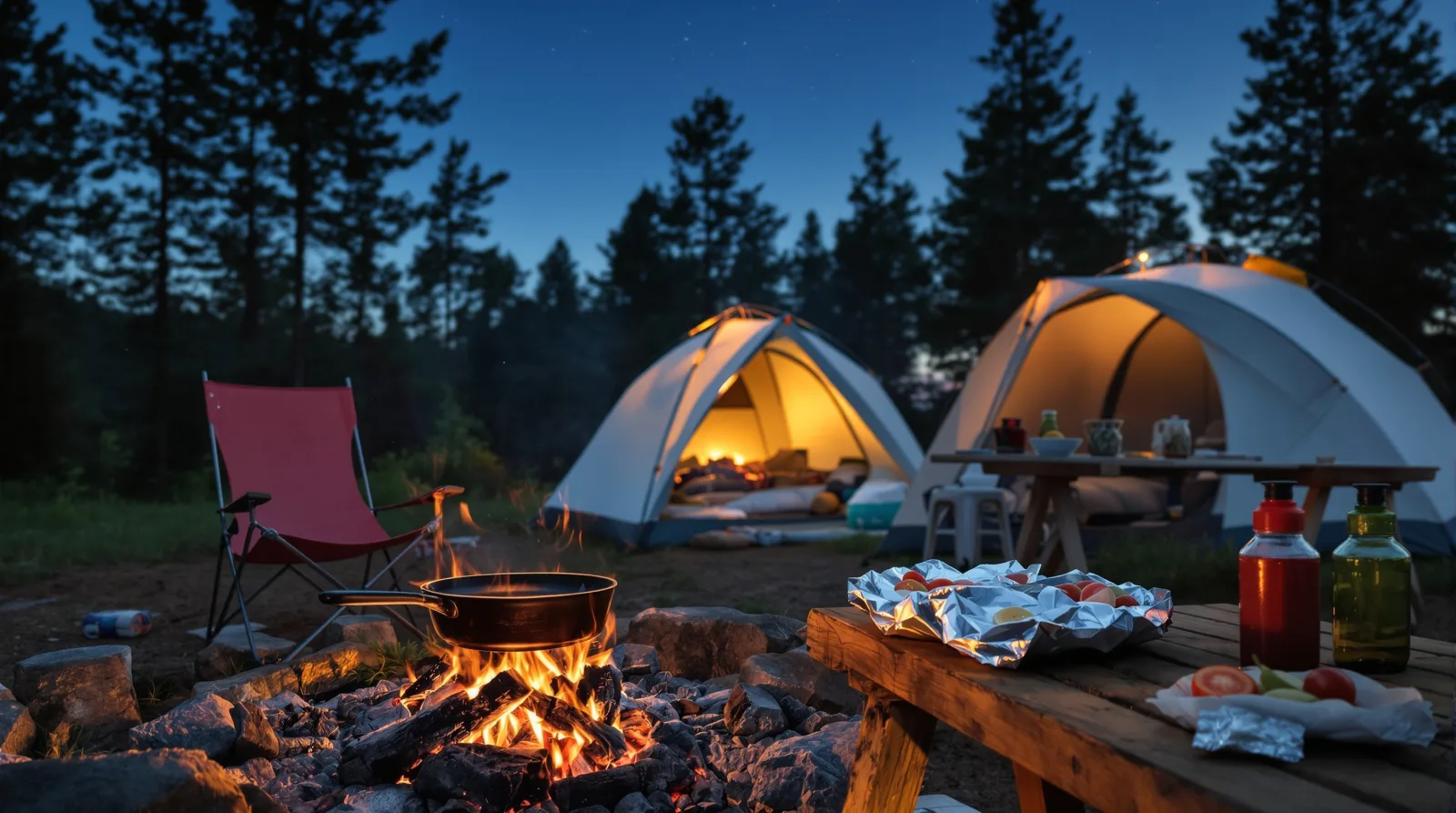
Camping near Yosemite comes down to one early decision: do you want to sleep inside the park, or do you want a site outside the entrance that is easier to book? Inside the park puts you minutes from granite walls and trailheads, and those sites fill within minutes of release. Outside the park you trade a longer morning drive for a far better shot at an actual reservation, often at a lower price.
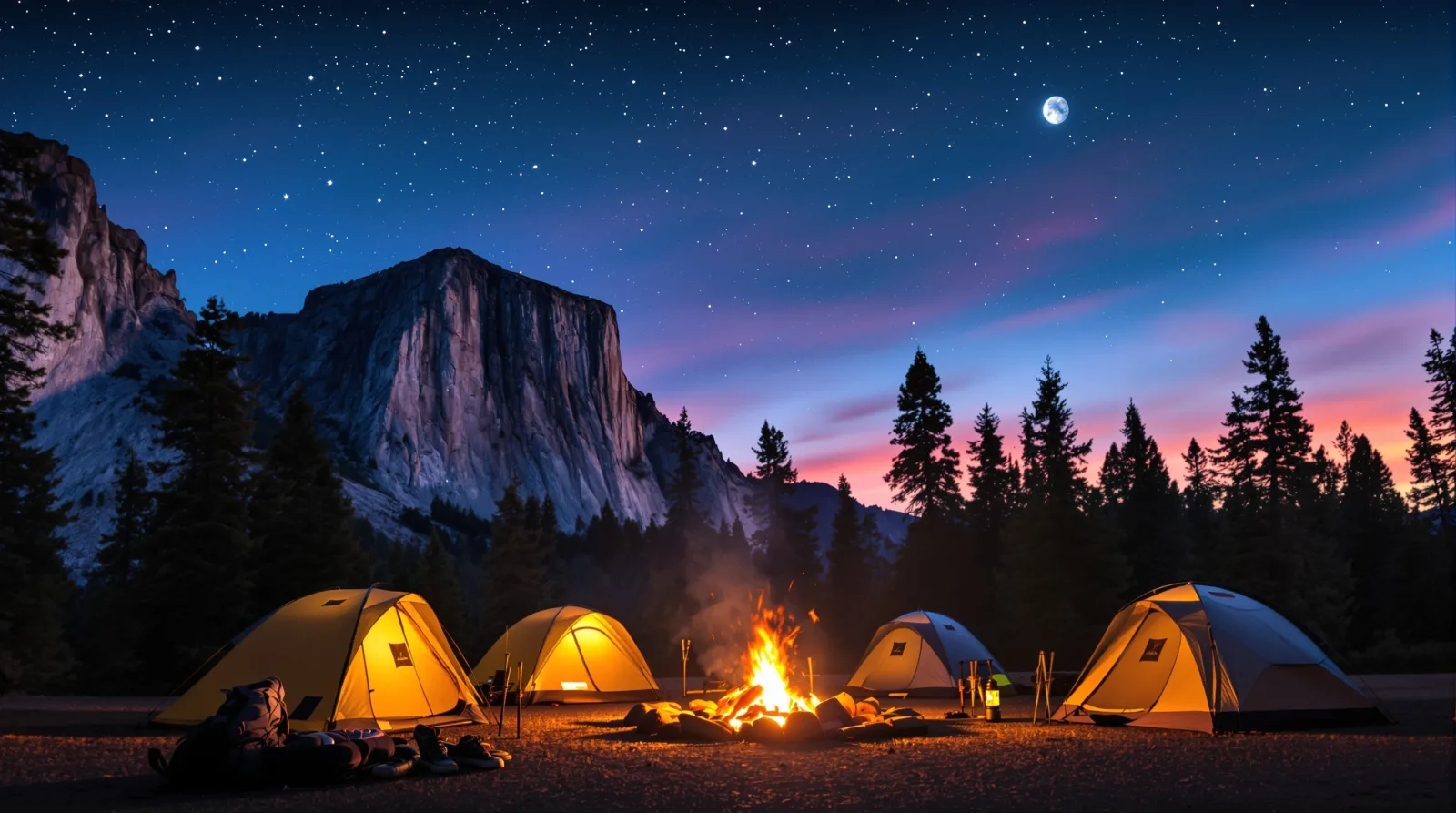
This guide walks through the real campgrounds people use, from the three Pines campgrounds on the Yosemite Valley floor to the high-country sites along Tioga Road and the forest and private grounds just past each entrance. For each one you will find who it suits, how hard it is to book, the elevation and season, and what sits close by. Most in-park campgrounds are booked through recreation.gov, and the popular ones release sites five months ahead at 7 a.m. Pacific on the 15th. Read the booking notes under each campground, then check the last section for the windows, bear rules, and weather details that catch first-timers off guard.
Upper Pines Campground (Yosemite Valley)
Upper Pines is the largest of the three campgrounds on the Yosemite Valley floor and the one most people have in mind when they think of camping here.
It sits at about 4,000 feet and stays open year-round, with around 235 sites packed under tall pines a short walk or shuttle ride from the base of Half Dome and the Mist Trail.
Each site has a picnic table, a fire ring, and a metal food locker, with flush toilets and drinking water nearby. RVs up to 35 feet and trailers up to 24 feet fit here, though there are no hookups.
Booking is the hard part.
Sites release five months in advance on recreation.gov and sell out within minutes, so log in before the 7 a.m. Pacific release and have your dates ready.
If you land a spot, you are within walking distance of the Happy Isles trailhead and the shuttle.
Pack your cooler before you arrive, since the nearest grocery run is well outside the Valley.
Lower Pines and North Pines Campgrounds
Lower Pines and North Pines are the two smaller Valley campgrounds next to Upper Pines, and both run seasonally rather than all year.
Lower Pines has about 73 sites along the Merced River and feels a little less crowded than its bigger neighbor, while North Pines sits farther back near the Mirror Lake trailhead with around 80 sites.
Both sit at roughly 4,000 feet, both take RVs and tents, and both use the same five-month recreation.gov release that sends sites in seconds. The draw is the same as Upper Pines: you wake up on the Valley floor with the walls right there and the shuttle stops close by.
If you strike out on Upper Pines for your dates, set an alarm and try these two at the same release time, since cancellations also reappear here.
A river-facing site in North Pines is one of the better tent spots in the Valley if you can grab one.
Wawona Campground (South Park)
Wawona Campground sits in the southern part of the park at about 4,000 feet, about 27 miles from Yosemite Valley and close to the Mariposa Grove of giant sequoias.
It runs year-round and has around 100 sites along the South Fork of the Merced River, with reservations required in the busy season and released five months ahead like the Valley grounds.
Wawona is quieter than the Pines, which makes it a good base if you want sequoias and the south end of the park without the Valley crowds at your campsite.
Tents and RVs both work, with no hookups.
The trade is the drive: getting to the Valley trailheads from here takes about an hour each way, so plan full days rather than quick trips back to camp.
A store and a gas station sit nearby, and the Mariposa Grove shuttle runs from the south entrance a few minutes down the road.
Hodgdon Meadow Campground (Big Oak Flat Entrance)
Hodgdon Meadow Campground sits just inside the Big Oak Flat entrance on the park's northwest side, at about 4,900 feet, and stays open all year.
Its roughly 100 sites are set in forest rather than near any marquee view, which is the point: it is one of the easier in-park grounds to reach if you come from the San Francisco side on Highway 120, and it puts you about 25 miles and 45 minutes from Yosemite Valley.
Reservations are required from mid-April through mid-October and released five months ahead; outside that window sites go first-come, first-served. Tents and RVs both fit, with food lockers and no hookups.
This is a practical pick for a first night when you arrive late, since you can set up without the longer push down into the Valley after dark.
Crane Flat Campground
Crane Flat Campground sits at about 6,200 feet near the junction of Big Oak Flat Road and Tioga Road, which makes it a useful middle ground between Yosemite Valley and the high country.
It is open seasonally, usually from summer into early fall, with around 160 sites spread through the forest. Crane Flat uses a different booking pattern than the Valley grounds: sites release two weeks in advance on a rolling daily window, so it can be a better target if you are planning closer to your trip date rather than five months out.
From here it is about a 45-minute drive down to the Valley and a clear run up Tioga Road toward Tuolumne Meadows, which makes it handy if you want to split your days between the two.
There are no hookups, and the higher elevation means cooler nights, so bring a warmer bag than you would for the Valley floor.
Tuolumne Meadows Campground (High Country)
Tuolumne Meadows Campground is the park's largest, with more than 300 sites, and it sits high on Tioga Road at about 8,600 feet.
That elevation sets the season: it only opens once Tioga Road clears of snow, usually sometime in summer, and closes again in early fall, so always check the road status before you plan around it.
About half the sites are reservable on recreation.gov and the other half have been first-come, first-served in the past, though the split can change, so confirm the current setup.
The meadows, the Tuolumne River, and trailheads to Cathedral Lakes and Lembert Dome are right there.
Nights get cold even in midsummer, so a warm setup and a good air mattress off the cold ground make for a much better night up here.
White Wolf Campground (Tioga Road)
White Wolf Campground is a smaller, quieter option off Tioga Road between Crane Flat and Tuolumne Meadows, at about 8,000 feet.
It has roughly 70 sites and opens seasonally once the high road is clear, on the same two-week rolling reservation window as Crane Flat. The setting is subalpine forest and meadow, with trailheads to Lukens Lake and Harden Lake close by and far fewer people than the big Valley grounds.
Because of the altitude, expect cold mornings and the chance of a passing storm even in July, and know that there are no hookups up here. White Wolf works well for campers who want the high country and a calmer base, and who do not mind the drive down to the Valley for the famous viewpoints.
A warm sleep setup and a reliable lantern matter more here, where it gets dark and cold fast once the sun drops behind the ridge.
Dimond O Campground (Stanislaus National Forest)
Dimond O Campground sits in the Stanislaus National Forest on Evergreen Road, the closest forest campground to the Big Oak Flat entrance and the road to Hetch Hetchy.
It runs along the Middle Fork of the Tuolumne River at roughly 4,400 feet and is usually open from late spring into mid-fall, with sites booked on recreation.gov.
Each site has a picnic table, a bear box, and a fire pit with a grill, plus vault toilets and drinking water. Because it is outside the park boundary, it tends to be easier to book than the in-park grounds while still putting you only a few miles from the Hetch Hetchy entrance and about an hour from Yosemite Valley.
Carlon Falls and the quieter Hetch Hetchy trails are close by, and it is a solid choice if the Valley campgrounds are full and you are entering from the Highway 120 side.
Summerdale Campground (Near the South Entrance)
Summerdale Campground is a Sierra National Forest site just past Fish Camp on Highway 41, only about 1.5 miles from Yosemite's south entrance and the Mariposa Grove.
It sits in a meadow ringed by fir and cedar along Big Creek, with paved spurs, picnic tables, grills, vault toilets, and drinking water, and it books through recreation.gov.
The location is the selling point: you are minutes from the south entrance, which makes early starts to the Mariposa Grove easy, and the creek gives kids something to do at camp.
It is a smaller ground, so sites still go quickly in summer, but it is generally an easier booking than the Pines.
You can reach Yosemite Valley in about 75 minutes if you want a day up north.
Indian Flat RV Park (El Portal, Highway 140)
Indian Flat RV Park sits on Highway 140 in El Portal, the closest camping with hookups to the Arch Rock entrance and Yosemite Valley, about 14 miles from the Valley floor.
It is a private ground with around 25 RV sites offering water and electric, some with sewer, plus about 25 tent sites for people who want a spot near the Valley without chasing an in-park reservation.
Because Highway 140 follows the Merced River at lower elevation, this route stays open in winter when higher passes close, which makes Indian Flat a useful base in the colder months.
If you have an RV and want the shortest drive into the Valley each morning, this is one of the more practical options outside the park, and it books directly rather than through recreation.gov.
Yosemite Lakes Near Groveland (Highway 120)
Yosemite Lakes, near Groveland on Highway 120, is a private resort-style campground on the South Fork of the Tuolumne River, about 5 miles from the Big Oak Flat entrance.
It offers a wider mix of stays than the forest grounds, including tent sites, RV sites with hookups, cabins, and yurts, plus a store and activities that suit families.
Because it is privately run, you book direct and can often find space when the in-park campgrounds are long gone. The trade is that you are about 45 minutes to an hour from Yosemite Valley.
If you are traveling with kids or want hookups and a few amenities on the Highway 120 approach, it is worth a look.
Tips for Booking and Camping Near Yosemite
A little planning is what gets you a site at all, and it keeps you safe once you are there.
- Know the booking window. The popular in-park grounds, meaning Upper, Lower, and North Pines, Wawona, and Hodgdon Meadow, release sites five months ahead, one month at a time, at 7 a.m. Pacific on the 15th. Crane Flat and White Wolf use a two-week rolling window instead. Make a recreation.gov account, log in early, and have your dates set before the clock hits.
- Watch for cancellations. If you miss the first release, sites reappear as people cancel. Check recreation.gov in the days before your trip, especially in the early morning.
- Respect the bears. Every site comes with a metal food locker, and you must use it. Store all food, coolers, and scented items like toothpaste and sunscreen in the locker, never in your car or tent. A bear-proof locker keeps both you and the bears out of trouble, and rangers do enforce it.
- Plan for elevation and weather. The Valley sits near 4,000 feet, but Tuolumne Meadows and White Wolf are around 8,000 to 8,600 feet, where nights are cold and storms can roll through even in summer. Pack a warmer sleeping bag than the daytime heat suggests, and check the Tioga Road status, since the high-country grounds only open after the snow clears.
- Have a first-come backup. Off-season at Hodgdon Meadow and Wawona, and parts of Tuolumne Meadows in season, have run first-come, first-served. Arriving early on a weekday improves your odds. Forest grounds like Dimond O and Summerdale, and private parks like Indian Flat and Yosemite Lakes near Groveland, are your fallback when everything inside the park is booked.
- Pack like there is no store nearby. Once you are at camp, supplies are limited and pricey. Bring a checklist so nothing gets left behind; our camping checklist for beginners covers the basics for a first trip near Yosemite.