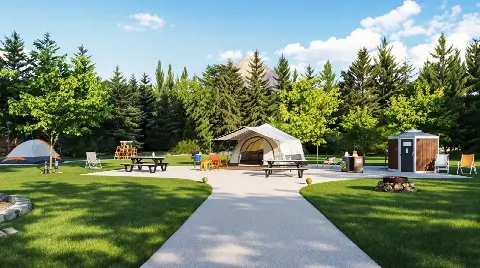
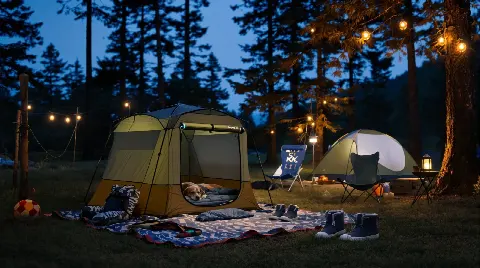
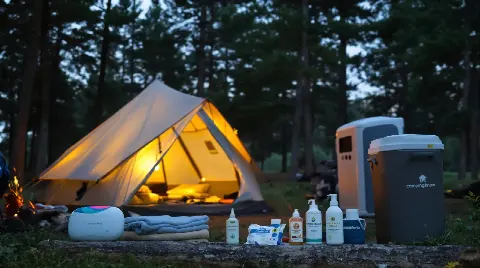
You are trying to figure out how much work you want between the car and sleep. On a regular camping trip, you usually bring the shelter, bedding, stove, food setup, water plan and patience for chores like pitching a tent, washing dishes and finding the bathroom in the dark. Glamping starts with a place already built or set up for you, then may add a real bed, lights, heat, bathrooms, cookware or staff help.
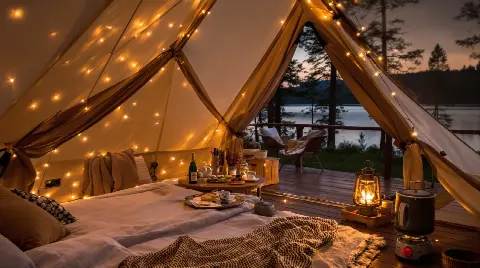
Both can be great. Camping gives you more control over your site, your gear and your pace, and it often fits people who like doing the camp jobs as part of the trip. Glamping works well when you want outdoor time without packing half the garage, or when your group includes kids, first-timers, light sleepers or anyone who needs a softer landing at night.
The better choice is the one that matches the trip you actually want. If you want to cook over a stove, crawl into your own tent and keep costs tied to your gear, camping makes sense. If you want a bed ready when you arrive, easier mornings and fewer chores, glamping may give you more time to hike, read, sit by the fire or sleep through the night.
Where Car Camping Fits Between a Tent Site and a Glamping Stay
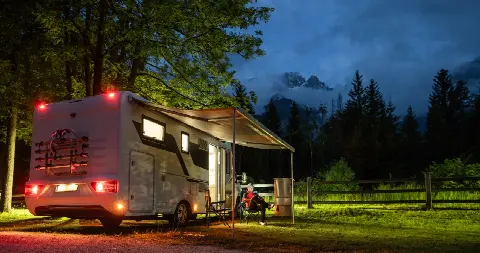
Car camping is still camping, even if it sits close to the comfort end of the spectrum. Calling it glamping sells it short. You choose the site, pack the gear, pitch the tent or sleep platform, cook your food, manage the mess, and deal with the weather yourself. A furnished glamping stay hands you a bed, shelter, lighting, and often heat before you arrive; with car camping, your vehicle gives you more room to bring your own answers. You still do the work.
That extra space changes the feel of the trip. Instead of trimming every item down to backpacking size, you can load thicker bedding, a real pillow, a bigger cooler, chairs that sit at a normal height, storage bins, a camp table, and extra layers for a cold night. Rainfly repair tape, tarps, dry shoes, spare blankets, and a second stove can ride in the trunk without wrecking the plan, which matters when weather turns or someone in camp gets tired and wet. Comfort comes from what you pack, set up, and keep organized.
You also keep the camping rhythm that a furnished stay removes. You haul water if the site needs it, light the stove, hang lanterns, shake dirt out of the tent, and make the call on bedtime layers when the temperature drops. The car gives you a safety net while you stay in charge. It is camping with a trunk.
You can sleep better, eat better, and spend less time crawling around a cramped tent, but you still wake up in your own shelter and fix the little problems that come with camp life. There is no host fluffing pillows or swapping towels, and there may be no platform, mattress, heater, or private bath waiting for you. Your money goes into your own kit instead of a bed that belongs to the site.
Glamping vs Cabin: What You Usually Gain and What You Give Up
Usually, no. A cabin is lodging with hard walls, a real door, and often a lock you would trust while you leave for a hike. Glamping usually means a furnished outdoor stay, often in a canvas tent, yurt, dome, or safari tent, where you still hear rain, wind, birds, and campground noise more than you would in a cabin. Some cabins get sold as glamping, but the feel changes once you have solid walls, sealed windows, and a full kitchen.
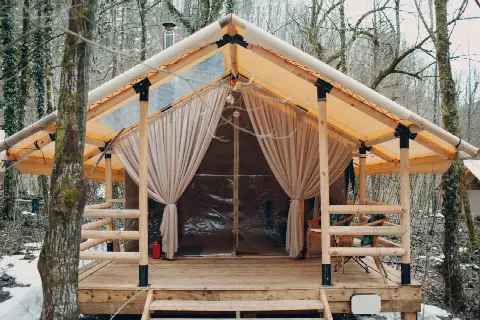
With a cabin, you usually gain more privacy and better weather protection. Many have bathrooms, cooking space, heat, air conditioning, or a small fridge, though you still need to read the listing because campground cabins can be bare bones. A glamping tent or yurt may give you a real bed, rugs, lights, and a porch, but canvas and fabric panels keep you closer to the outdoors. Bugs, damp air, and temperature swings can still be part of the stay.
- Linens: Check whether sheets, blankets, pillows, and towels are included. Some cabins and glamping sites expect you to bring bedding.
- Heat and cooling: Look for the exact setup, such as electric heat, a wood stove, a fan, or no climate control. Do not assume a dome or safari tent has air conditioning.
- Toilets: Confirm if you have a private bathroom, a composting toilet, a nearby portable toilet, or a shared bathhouse down the path.
- Cooking rules: Some stays allow indoor cooking, some only allow a grill or fire ring, and some ban open flames near canvas.
A cabin fits you best when you want a door that locks, a drier room, and fewer surprises at night. Glamping fits when you want a bed and comfort, but still want the campsite to feel open, breezy, and close to the trees. Read the amenities line by line before you book, because the name alone does not tell you much.
Decide by Sleep, Food, Weather and Group Needs
Sleep setup
A ground pad in a tent keeps you close to camping, so check pad thickness and R-value before cold nights or sore-back trips. A cot in a canvas tent gets you off the floor; a real bed in a yurt or a mattress inside a cabin helps kids settle and gives light sleepers a better shot at waking up rested.
Gear you own, rent or skip
Camping pays off when you own a dialed kit and know how your tent, stove, lanterns, chairs and sleep systems work in the dark. Glamping can be cheaper than buying all of that for one weekend. Car camping sits between them: you still bring the cooler and bins, but the site is close to the bumper, so heavy gear hurts less.
Bathrooms, power and weather cover
Toilets, showers, outlets, lighting, heat and shade change the whole day. On a rainy evening, a covered porch or cabin table beats cooking under a sagging tarp; on a hot afternoon, shade matters more than cute decor. For middle of the night bathroom trips, check the listing distance and path lighting before you book.
Food and camp chores
Camping means cooler planning, stove setup, dishwashing and firewood, plus packing out grease and trash. If you like camp chores, that routine is part of the trip. Many glamping sites include a grill, kitchen, coffee setup or nearby restaurant, so your free time goes to cards, hikes or sitting by the fire instead of scrubbing a pan in cold water.
Privacy, noise and site layout
Glamping can feel quiet and private, or it can feel like a resort with cabins lined along one drive. Campgrounds vary the same way by loop, site size and quiet hours. A scenic photo tells you almost nothing about spacing, so check the map, site count and reviews for how close the next tent, RV or cabin sits.
Who is coming with you
Match the trip to the least comfortable person coming. Partners, kids, older relatives, nervous first timers, pets and friends with mixed comfort levels all change the right call. A group trip can sour fast if one person expects a hotel feel and another expects a dirtbag weekend, so agree on beds, bathrooms, cooking and pet rules before anyone pays.
A First Night Test for Couples, Kids and Reluctant Campers
For a first night, pick a place close enough that you can be home before lunch if the mood turns. A glamping cabin, safari tent or yurt gives nervous campers a bed, walls and a bathroom plan. A regular campsite works too, as long as the drive is short and the exit is simple. You learn fast.
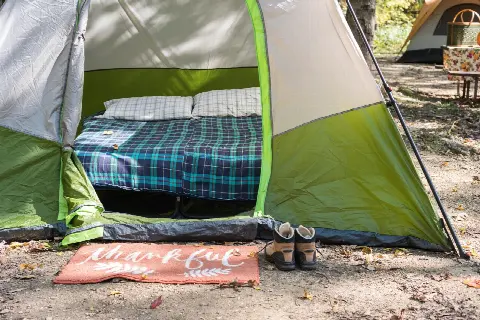
Run the night like a test, not a big vacation. Tell everyone ahead of time what bedtime looks like, where the bathroom is, what food is planned and what happens if someone wants to leave. Scenery matters, but these small friction points decide the next trip.
- Bedtime: Keep the sleep setup familiar for kids and reluctant adults. Bring the pillow they use at home, set a normal lights-out time and skip a late fire if people are already tired.
- Bathroom walks: Walk the route before dark. Point out landmarks, keep shoes by the door or tent and give each person a light they can use without help.
- Bugs: Eat before heavy bug hours if the site has them. Pack repellent, close doors and tent screens right away and keep sweet drinks covered.
- Noise: Campgrounds are rarely silent. Talk about frogs, wind, other campers and road sounds before bed so every rustle does not feel like a problem.
- Darkness: Let kids see the site after sunset with you beside them. A small lantern inside the tent or cabin can save the night.
- Meals: Keep dinner easy and known. Save campfire experiments for a trip where everyone already likes sleeping outside.
If the group wakes up rested enough and still likes each other over breakfast, you have your answer. Book the next trip a little farther out or with a little less help built in.