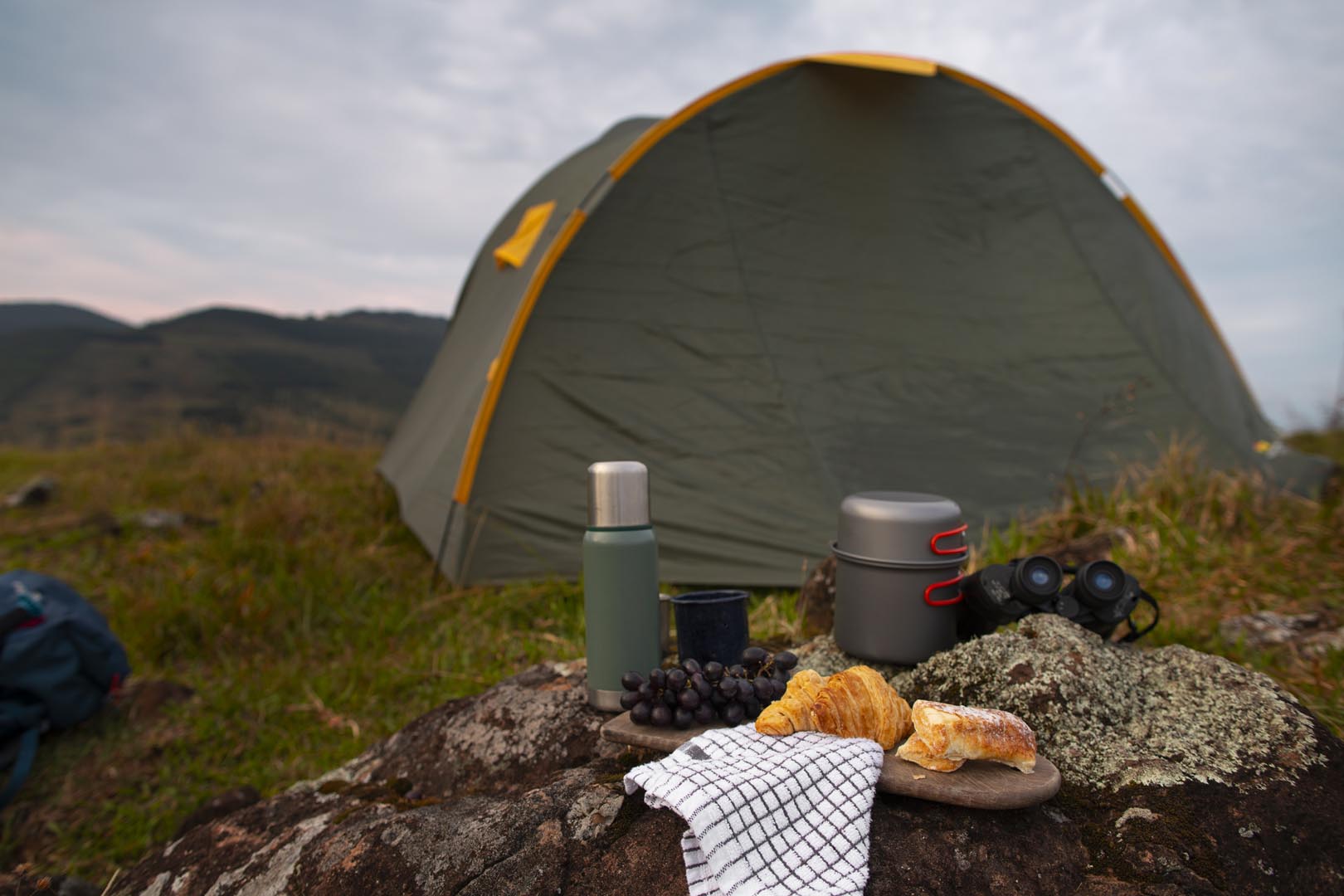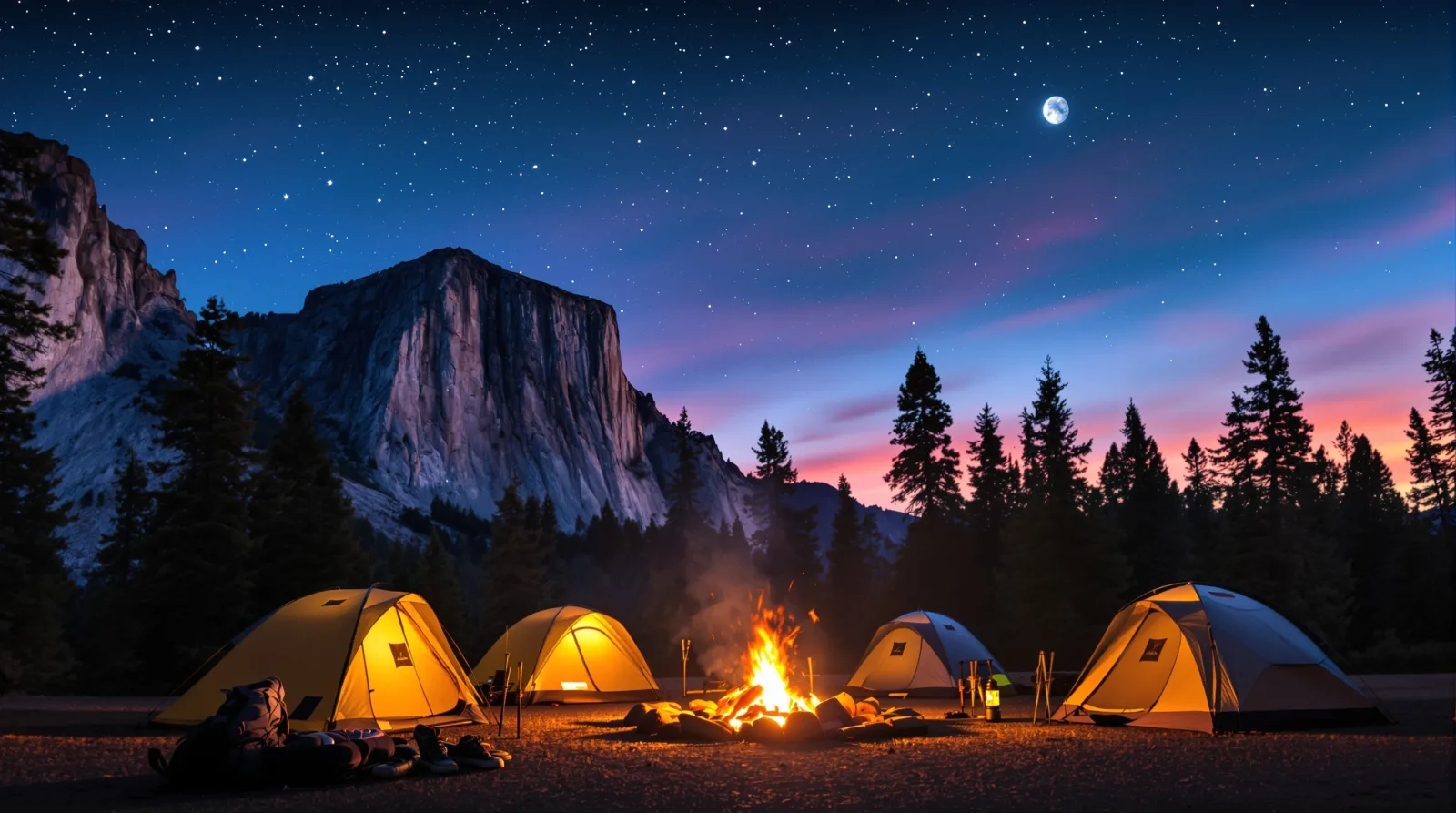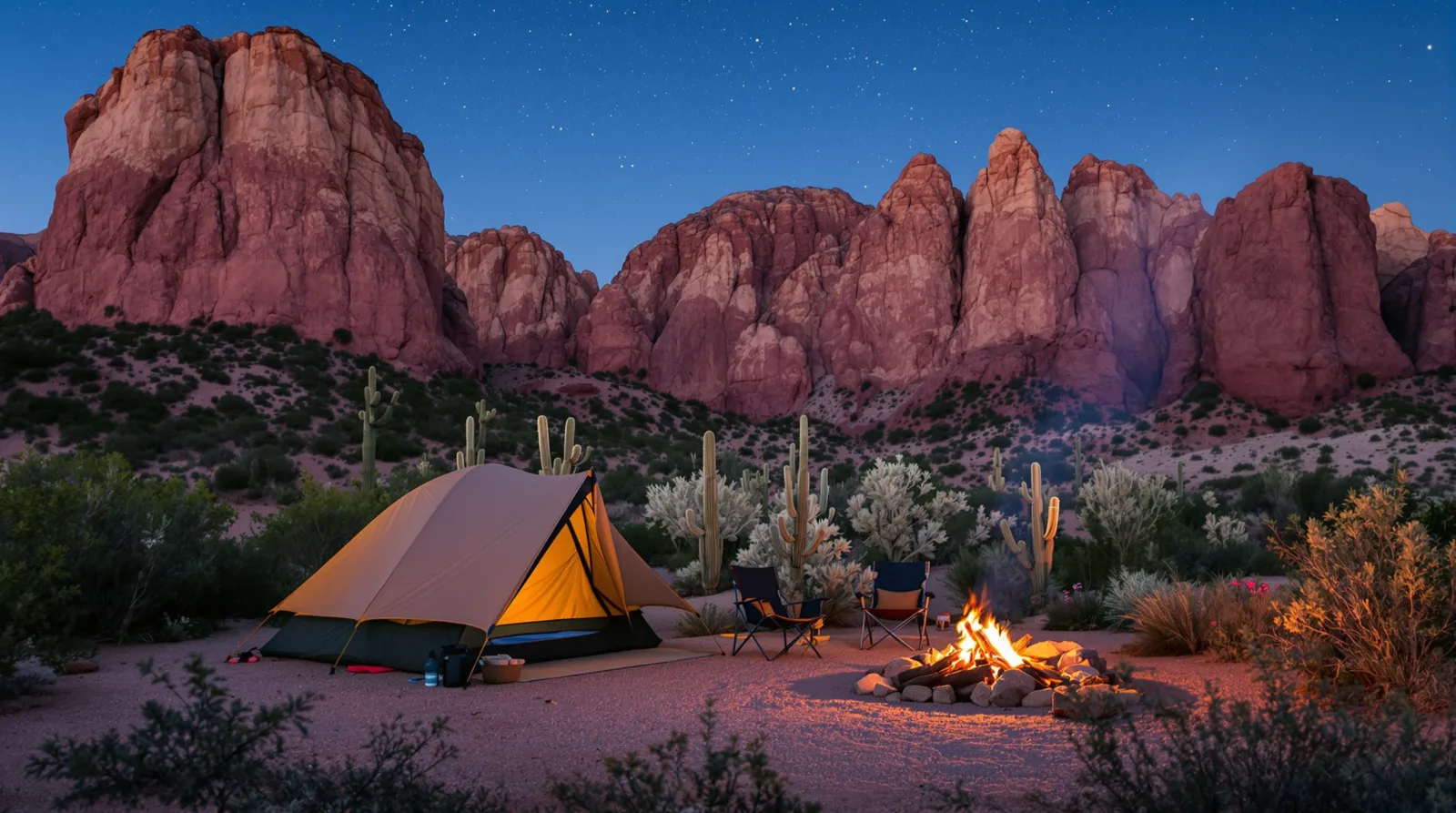
The fastest way to have a rough first camping trip is to either forget something that matters or drown yourself in gear you never touch. Most beginner packing lists do the second thing, throwing a hundred items at you as if every weekend in the woods needs a hardware store. It does not.
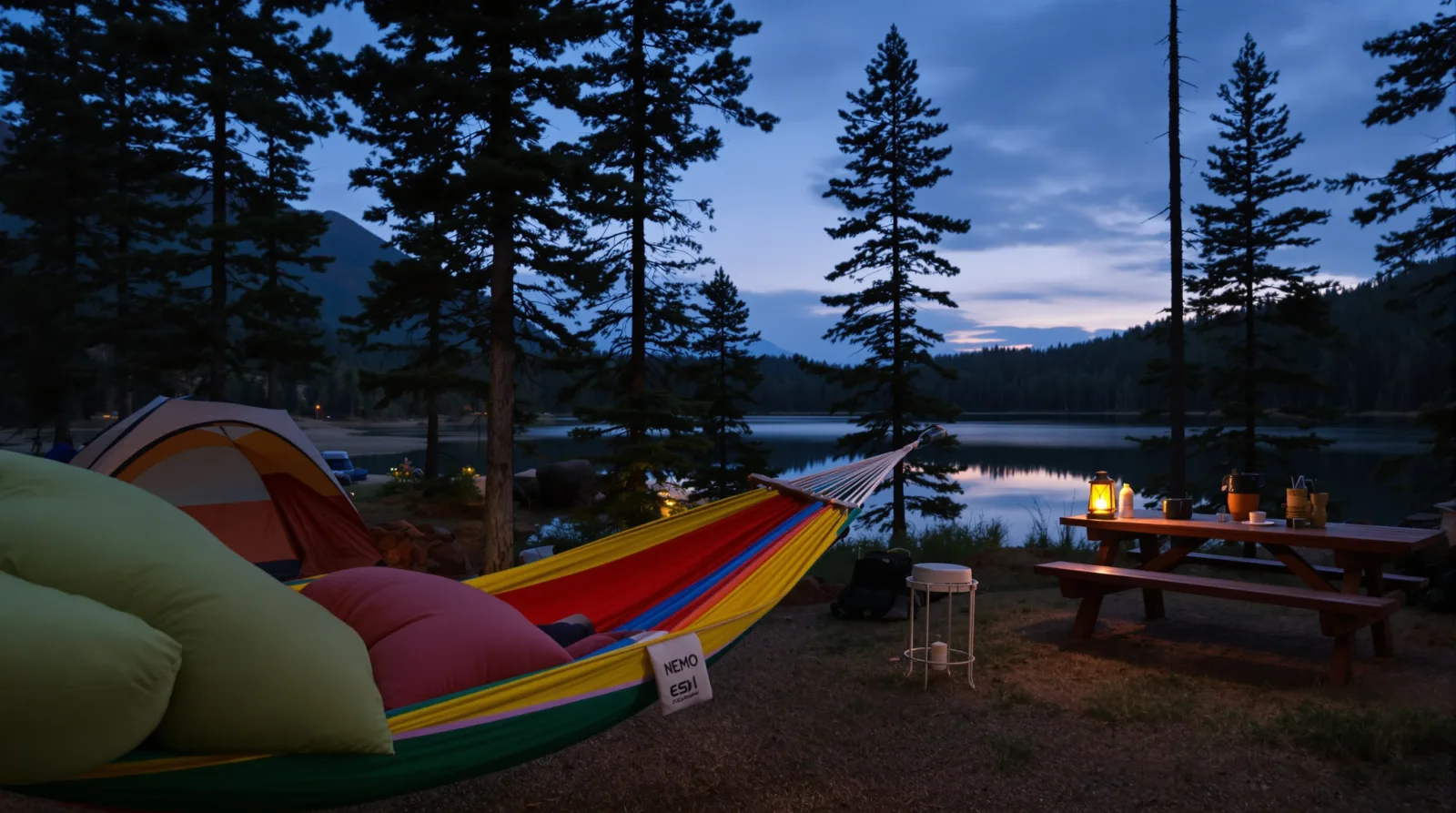
A good first trip comes down to a short list of things that keep you sheltered, warm, fed, and safe, plus a handful of comforts that make it pleasant. This checklist is built around that idea. We've grouped it the way you actually use it at camp, from the shelter you sleep under to the small kit that handles a scraped knee, and flagged the few items where spending a little more pays off right away. Read it once, pack from it, and you'll arrive with what you need and not much you don't.
One mindset helps more than any single item: borrow before you buy. Your first few trips are the worst time to spend big, because you don't yet know what kind of camper you are. Borrow a tent and a stove, rent a sleeping bag, and notice what annoyed you and what you wished you'd had. After a couple of weekends you'll know exactly where your money belongs, and this list will read less like a shopping spree and more like a quick pre-trip scan.
Start with the Big Four: Shelter and Sleep
Get these right and everything else is a detail. A cold, sleepless night is what sends first-timers home swearing off camping, so this is where your attention and budget belong.
- Tent with its poles, stakes, and rainfly, sized one person larger than your group for room to move.
- Sleeping bag rated a little colder than the lowest temperature you expect.
- Sleeping pad, which is not optional. It cushions you and, more importantly, blocks the cold ground from pulling heat out of your body all night.
- A pillow. A real camp pillow is the cheapest comfort upgrade there is, and our roundup of the best camping pillows covers the options if you want one that packs small.
If you forget everything else and remember these four in good shape, you'll still sleep well.
The Camp Kitchen
You don't need a gourmet setup for a first trip, just a reliable way to boil water and cook one simple meal. Build from here.
- Stove and fuel, with the fuel canister or bottle checked and full before you leave.
- A pot or cook set. A single pot covers boiling and one-pot meals; a small set adds a pan and dishes. Our guide to the best camping cookware breaks down what suits your group.
- Lighter and backup matches in a waterproof bag.
- Plate, bowl, mug, and a spork per person.
- A sharp knife, a cutting surface, and biodegradable soap for prep and cleanup.
- Water, either carried in or a filter if there's a clean source, plus a bottle or reservoir each.
- A cooler with ice for car camping, packed cold from home.
Food: Keep the First Menu Simple
New campers tend to over-plan meals and then fight with them in the dark. For a first trip, lean on food that needs little cooking and few dishes, and do the fiddly work at home.
- Breakfast: instant oats, fruit, and coffee or tea. One pot of hot water handles all of it.
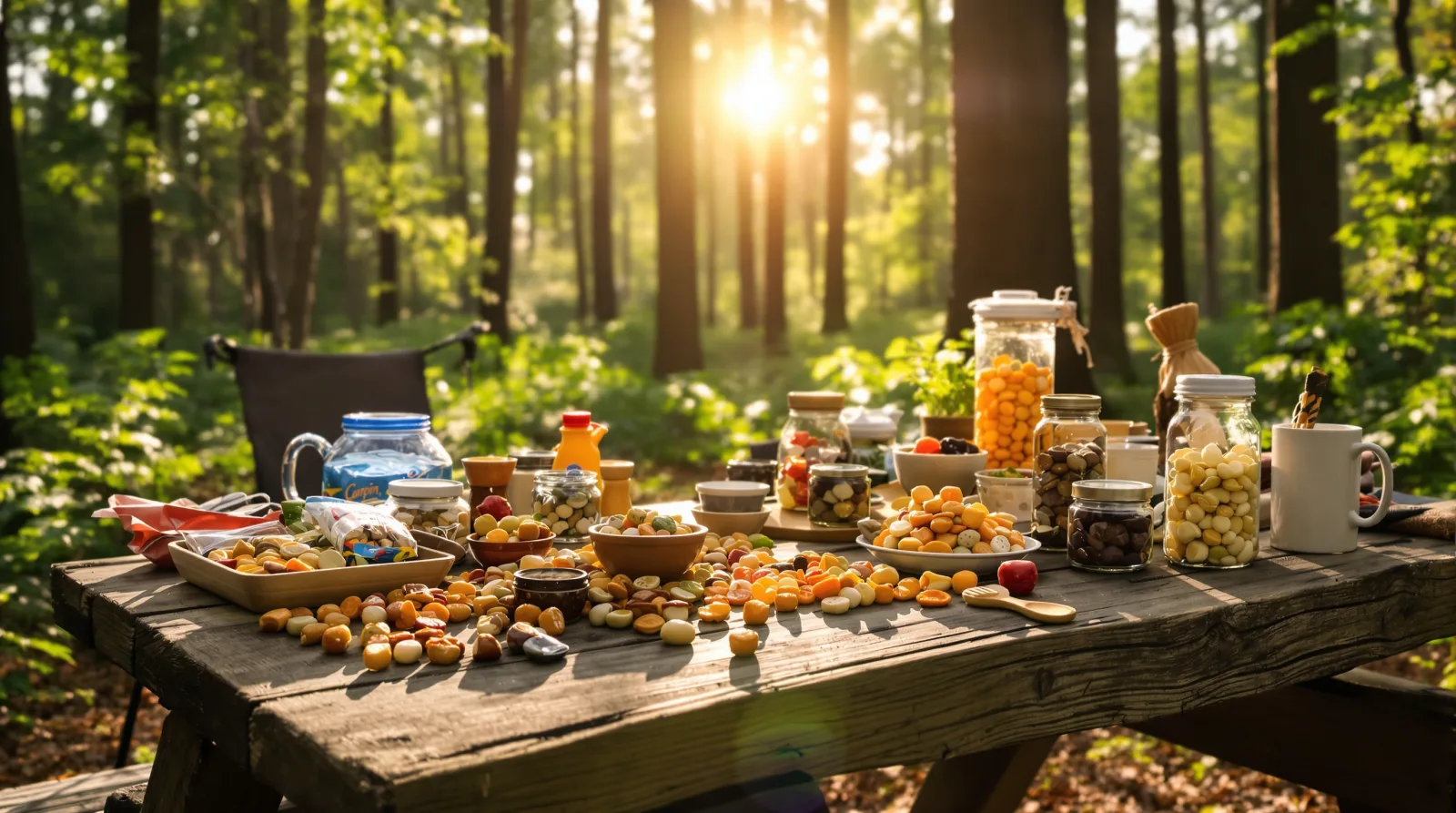
- Lunch: no-cook food you can eat on a hike, like wraps, cheese, cured meat, and trail mix.
- Dinner: one-pot meals such as pasta, chili, or a foil packet on the coals. Chop and measure at home so camp is just heat and eat.
- Snacks and a treat: more than you think you need, plus something fun like marshmallows for the fire.
Pre-measure and bag your ingredients at home, label each one, and camp cooking becomes assembly rather than a project. Pack a few extra calories too, since fresh air and walking leave everyone hungrier than they expect.
Clothing You'll Actually Wear
The trick is layers, not volume. Three thin layers you can mix beat one bulky coat, because mornings are cold, afternoons warm, and nights cold again.
- A base layer that wicks sweat, in wool or synthetic, never cotton, which stays wet and chills you.
- An insulating mid-layer like a fleece or light puffy.
- A waterproof shell for wind and rain.
- Sturdy closed shoes or boots, plus camp sandals to let your feet breathe.
- A warm hat and a spare pair of socks, since dry feet and a covered head go a long way after dark.
Pack for the coldest and wettest the forecast hints at, then hope you don't need it.
Light and Tools
Camp gets dark in a way city life never prepares you for. A little light and a few small tools cover most of what comes up.
- A headlamp for each person, with fresh batteries, so your hands stay free.
- A lantern for the table or tent.
- A power bank to keep a phone alive for maps and photos.
- A multi-tool or knife, a length of cord, and a few feet of duct tape wrapped around the lantern handle for quick repairs.
- Trash bags, because whatever you pack in, you pack out.
Health, Hygiene, and Safety
This is the part people skip and then wish they hadn't. None of it is bulky, and any of it can save a trip.
- A small first aid kit with bandages, tape, blister care, pain relief, and any personal medication.
- Sunscreen and insect repellent, reapplied more often than you think you need.
- A toothbrush, biodegradable soap, a quick-dry towel, and toilet paper in a zip bag.
- Hand sanitizer for before meals.
- A paper map and a compass as a backup to your phone, plus a note to someone at home about where you're going and when you'll be back.
Camp Comfort and the Extras
Once the basics are handled, a few small luxuries turn a trip from survivable into something you'll want to repeat. None are required, all are nice.
- Camp chairs so you're not sitting on a log all evening.
- A hammock for lazy afternoons between two trees; see our picks for the best camping hammocks if you want one that also sleeps well.
- A deck of cards or a book for downtime.
- Earplugs and an eye mask if you're a light sleeper.
- Extra snacks and a hot drink, which boost morale more than their weight suggests.
How to Pack So You Can Find It
What you bring matters less than being able to lay hands on it in the dark. A little order at home saves a lot of digging at camp.
- Group gear into labeled bags or bins by use: sleep, kitchen, clothing, and a small grab bag of headlamp, first aid, and keys.
- Load the tent and chairs last so they come out first when you arrive and you can set up before unpacking the rest.
- Keep a dry bag for anything that must stay dry, and start a trash bag from the first snack.
- Put the things you'll want at night, headlamp, a warm layer, and water, somewhere you can reach without emptying the car.
The goal is simple: arrive, and have the right bag in your hand for whatever the next ten minutes needs.
A Final Check Before You Leave the Driveway
Most forgotten-item stories are caught by a thirty-second pause before you pull away. Run this quick scan every time.
- Fuel and water: stove fuel full, water containers filled or a filter packed.
- Power: headlamps and power bank charged, spare batteries in the bag.
- The big four: tent with poles and stakes, sleeping bag, pad, and pillow all loaded.
- Booking and route: campsite reserved, directions saved offline, and someone at home told where you'll be and when you're back.
- Weather: a last look at the forecast, with an extra warm layer added if it dropped.
Thirty seconds here is what separates a smooth arrival from a long drive back for the tent poles.
Gear That Helps
CampingKnow is reader-supported. When you buy through links on our site, we may earn an affiliate commission at no extra cost to you. Learn more.
- NEMO Fillo camping pillow a comfortable, packable pillow that fixes the most common first-trip complaint.
- GSI Outdoors Pinnacle Camper cook set a complete two to four person kitchen that nests into one bundle.
- ENO DoubleNest hammock an easy first hammock for afternoon lounging at camp (add tree straps).