Good camp food is less about fancy recipes and more about smart planning. The campers who eat well are rarely the ones hauling a four-burner setup and a spice rack. They are the people who chopped an onion at home, packed a cooler that actually stays cold, and picked meals that need one pot and ten minutes.
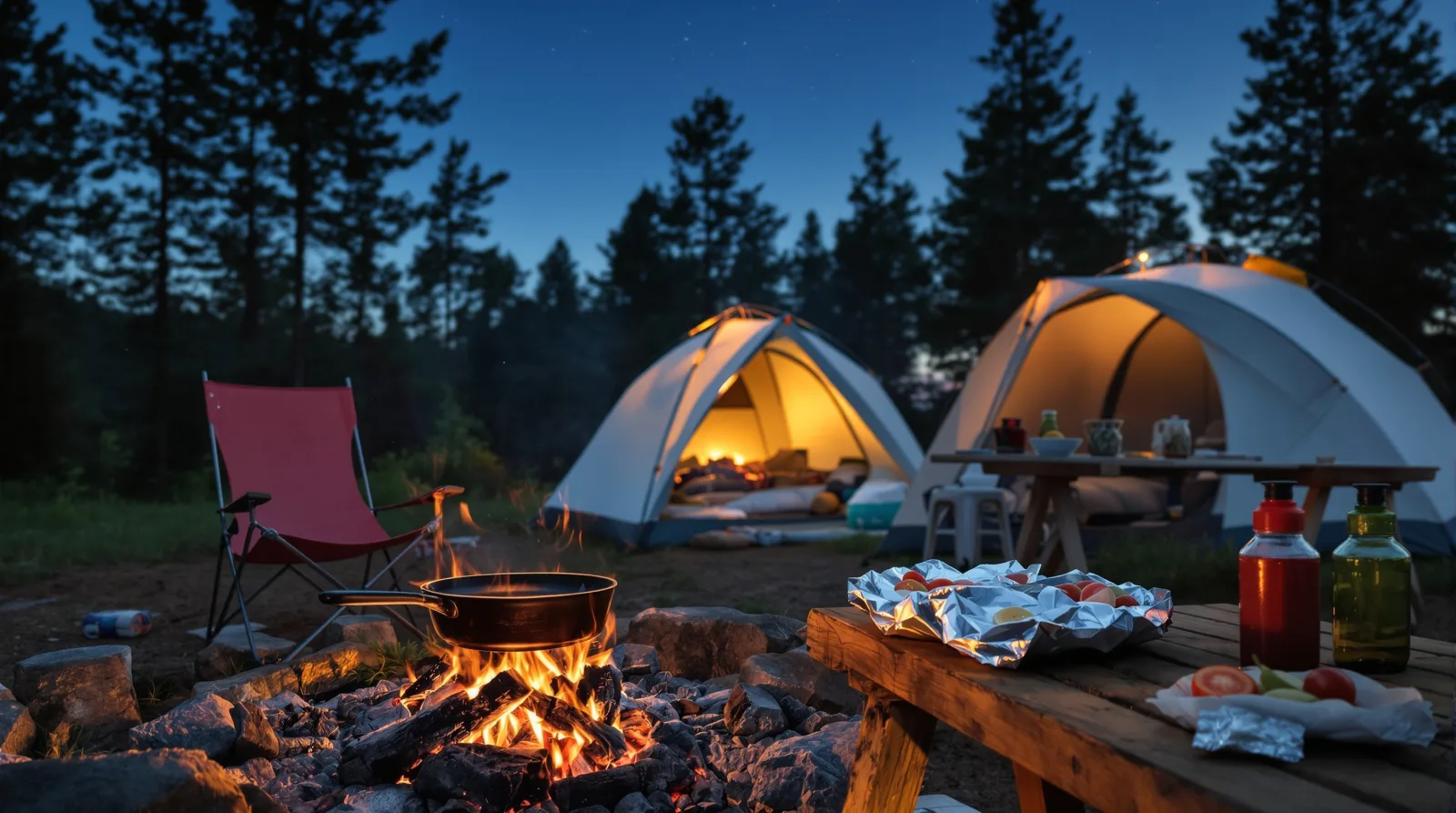
Fresh air makes everyone hungrier than they expect, so the goal is food that is filling, simple to cook over a stove or coals, and quick to clean up when the light is fading. This guide walks through real meals for every part of the day: make-ahead prep you do before you leave, fast camp breakfasts, no-cook lunches you can eat on a trail, one-pot dinners, foil packets cooked right on the coals, and sweet things for the fire. It finishes with a two-day menu you can copy outright. Every idea here lists what goes in and how to cook it, so you are not guessing at the picnic table.
If you are still building out your kit, our camping checklist for beginners covers the stove, cooler, and cookware that make all of this possible. Get the food planning right and the rest of the trip tends to fall into place, because nobody is grumpy on a full stomach.
Do the Fiddly Work at Home
The single biggest upgrade to camp cooking happens in your kitchen before you leave.
Chopping, measuring, and mixing at home turns cooking at the site into simple assembly, which means fewer dishes, less mess, and no hunting for a knife in the dark.
Cold prep also keeps your camping cooler tidy, since flat bags pack better than loose produce and bulky packaging.
- Pre-chop vegetables like onions, peppers, and garlic, then bag them by meal and label each one.
- Pre-mix dry ingredients for things like pancakes or chili seasoning into a single labeled bag, so camp prep is just add water.
- Marinate meat at home in a zip bag; it travels in the marinade and is ready to cook on arrival.
- Crack and pour eggs into a sealed bottle for easy scrambles without carrying a fragile carton.
- Freeze a few meals flat, such as chili or a curry, so they double as ice packs on day one and thaw to a hot dinner by night.
Pack each meal as its own kit, grouped in one bag, so dinner means grabbing one bundle rather than digging through the whole cooler.
Fast Camp Breakfasts That Fuel a Morning
Breakfast at camp should be quick, warm, and easy to clean up, because mornings are cold and nobody wants to scrub a pan before coffee.
Lean on meals that need one pot of hot water or a single skillet. A hot drink first thing does more for morale than almost anything else you pack.
- Instant oats with extras: pour boiling water over oats in a mug or bag, then stir in dried fruit, nuts, and a spoon of peanut butter for staying power.
- Skillet scramble: cook your pre-cracked eggs in a little oil, throw in pre-chopped peppers and pre-cooked sausage, and wrap it in a tortilla.
- Pancakes from a pre-mixed bag: add water to your labeled dry mix, squeeze it from a zip bag onto a hot greased pan, and top with syrup or fresh berries.
- Breakfast burritos made ahead: wrap eggs, cheese, and beans in foil at home, then reheat the whole packet on the coals.
- Bagels with cream cheese and smoked salmon: no cooking at all, just slice and assemble while the coffee brews.
Boil extra water while you are at it and you have coffee, tea, and oatmeal handled from a single pot.
No-Cook Lunches You Can Eat Anywhere
Lunch is usually the meal you eat away from camp, on a trail or at a viewpoint, so the best options need no stove and no cleanup.
Build lunches around food that holds up out of the cooler for a few hours and travels without getting crushed. Pack these in the morning so they are ready to grab when hunger hits on the trail.
- Wraps and roll-ups: tortillas with hummus, cheese, cured meat, and shredded carrot, rolled tight and wrapped in foil; they survive a backpack better than bread.
- Charcuterie-style boards: hard cheese, salami, crackers, olives, and dried apricots laid out on a cutting board for an easy shared lunch.
- Pita pockets: stuffed with tuna or chickpea salad mixed at home and kept cold until you eat.
- Bagel sandwiches: dense and filling, they hold their shape far better than sliced bread.
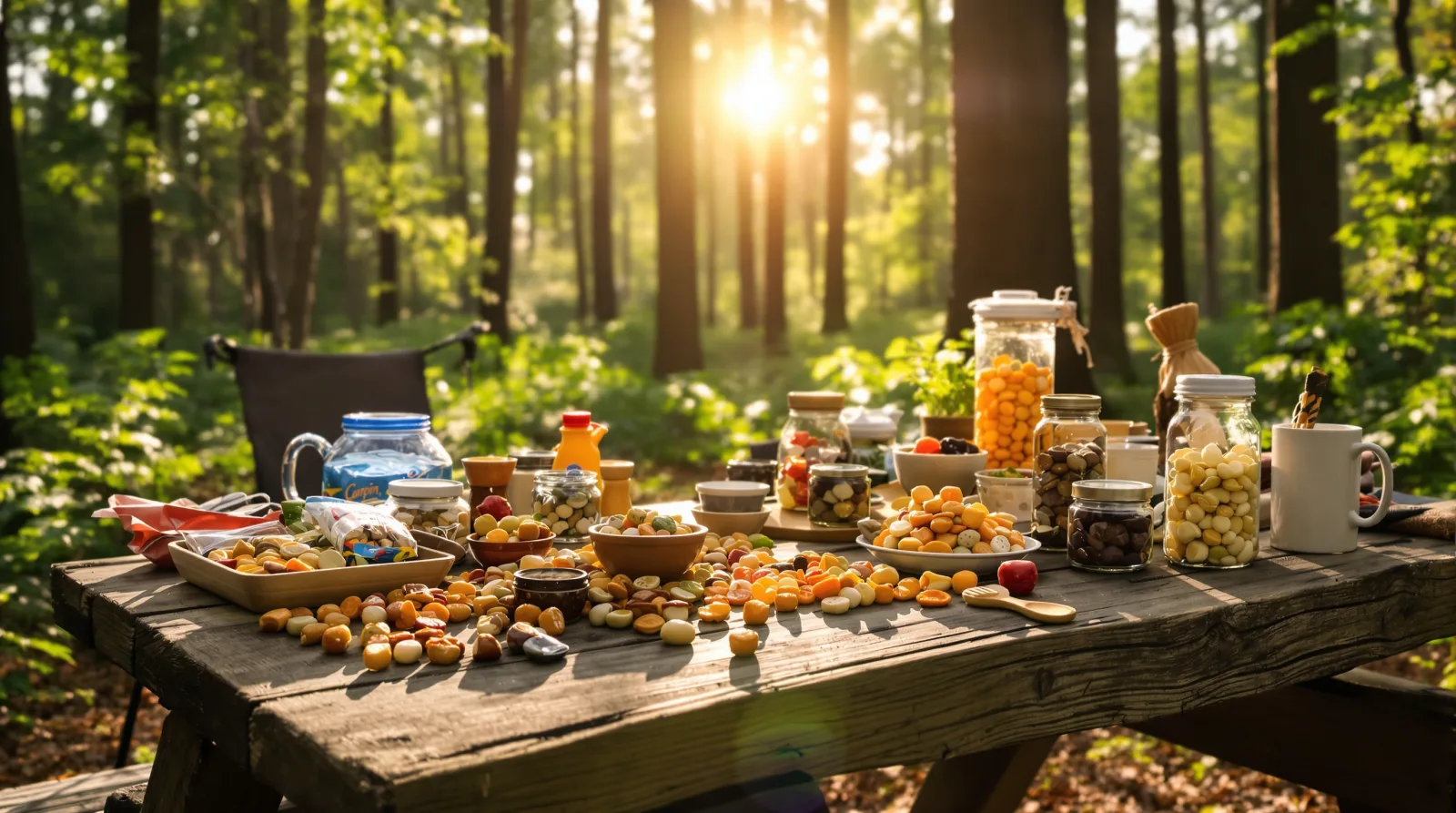
- Trail mix and energy bites: nuts, seeds, dried fruit, and dark chocolate for grazing between bigger meals.
Freeze a juice box or water bottle at home and tuck it in your lunch bag; it keeps everything cold and gives you a cool drink by midday.
One-Pot Dinners That Cook on a Single Burner
One-pot meals are the backbone of good camp dinners.
Everything cooks in the same pot, flavors build as you go, and you finish with one thing to wash. A tall pot or a Dutch oven handles all of these; if you want to compare options, our guide to the best camping cookware breaks down what suits your group size.
Brown any meat or onions first, then add liquid and the rest, and let it simmer while you set up chairs.
- Camp chili: brown ground beef or a can of beans, add tomatoes, your pre-mixed spice bag, and corn, then simmer until thick and eat with shredded cheese.
- One-pot pasta: cook pasta in just enough water that it absorbs as it boils, then stir in a jar of sauce and pre-cooked sausage so there is nothing to drain.
- Coconut curry: saute pre-chopped vegetables, add a can of coconut milk and curry paste, and serve over instant rice or couscous.
- Sausage and white bean stew: sliced sausage, canned beans, chopped kale, and stock simmered into a hearty bowl in under twenty minutes.
- Loaded ramen: upgrade instant noodles with a soft-boiled egg, frozen vegetables, and a spoon of miso or chili crisp for a cheap, fast dinner.
Cook a little extra and tomorrow's lunch is already in the cooler.
Foil-Packet Meals Cooked over Coals
Foil packets, sometimes called hobo dinners, are camp cooking at its easiest.
You wrap raw ingredients in heavy-duty foil, set the packet on a bed of hot coals, and let the steam do the work. There is no pot to wash, everyone can build their own, and the cleanup is just crumpling the foil.
Use two layers of heavy foil and seal the edges tight so nothing leaks. Push the fire's coals into a flat bed and cook on those, not in open flames, which scorch the outside before the inside is done.
- Classic meat and potato packet: sliced potato, carrot, onion, and a beef patty or sausage, dotted with butter, salt, and pepper, cooked for about twenty to thirty minutes with one flip.
- Lemon garlic fish: a fillet with lemon slices, garlic, and asparagus, steamed in foil in roughly fifteen minutes.
- Fajita packet: sliced peppers, onion, and chicken or beans with fajita seasoning, served in warm tortillas.
- Sausage and pepper packet: smoked sausage rounds, peppers, and baby potatoes, all in one foil pouch.
- Breakfast hash packet: diced potato, bacon, onion, and cheese for a heartier morning option.
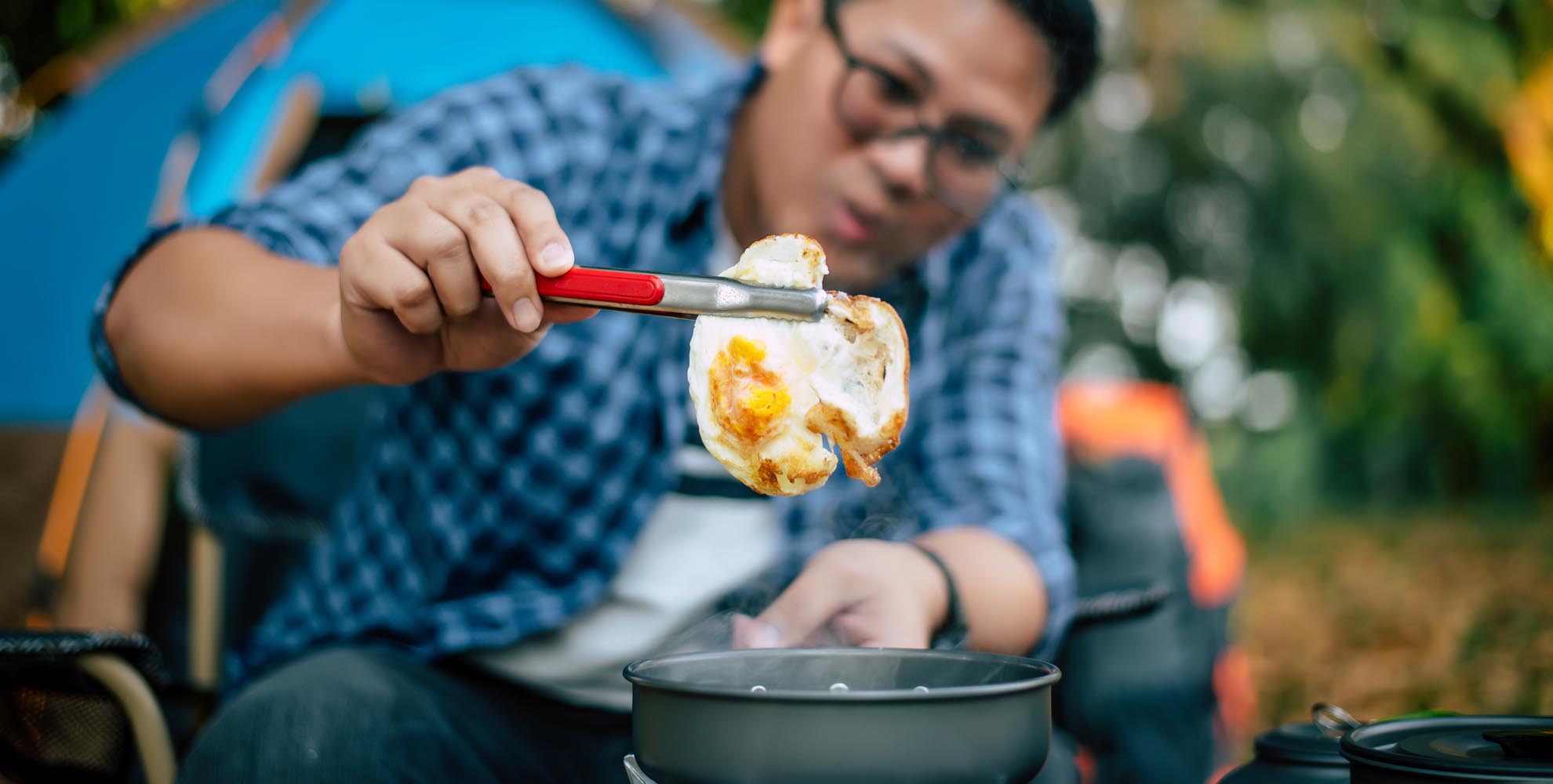
Cut everything to a similar size so it cooks evenly, and pack a pair of tongs to pull hot packets off the coals without burning your hands.
Campfire Desserts and Sweet Treats
Dessert over a fire is half the reason people love camping, and most of it needs almost no skill.
Keep a small kit of sweet supplies and you can finish any dinner on a high note. These are also the easiest things to let kids help with, since most involve a stick and a marshmallow.
- Classic s'mores: toast a marshmallow, sandwich it with chocolate between two graham crackers, and press until the chocolate softens.
- Banana boats: slit an unpeeled banana, stuff it with chocolate chips and mini marshmallows, wrap in foil, and warm on the coals until gooey.
- Grilled fruit: pineapple rings or peach halves laid on a hot grate caramelize fast and taste great with a little cinnamon.
- Campfire cones: fill a waffle cone with marshmallows, chocolate, and berries, wrap in foil, and heat for a few minutes for a portable sundae.
- Skillet brownies or cobbler: mix a boxed batter, pour it into a greased cast-iron skillet, and bake it with coals on the lid for a warm shared dessert.
Pack marshmallows, chocolate, and graham crackers as a sealed kit so they do not melt into the rest of your food on a warm afternoon.
Swaps for Vegetarians, Picky Eaters, and Kids
You do not need separate menus for everyone at the table.
Most camp meals flex easily once you know which ingredient to swap. Plan one base meal and let people customize their own bowl or packet, which keeps cooking simple and saves you from running three pans at once.
- Vegetarian swaps: trade meat for canned beans, lentils, or firm tofu in chili, curry, and foil packets; a can of chickpeas adds protein to almost anything.
- Kid-friendly options: keep a few plain favorites on hand like cheese quesadillas, pasta with butter, or hot dogs roasted on a stick.
- Build-your-own bars: set out toppings for tacos, baked potatoes, or oatmeal and let everyone assemble what they like.
- Allergy-aware packing: label every pre-bagged ingredient clearly and keep nut-based snacks separate if anyone in the group reacts.
- Dairy-free fixes: coconut milk replaces cream in curries and soups, and it travels well in a can with no cooler space needed.
When in doubt, cook a neutral base such as rice, pasta, or potatoes and offer mix-ins on the side. Everyone gets a meal they will actually eat, and you cook it once.
A Sample Two-Day Meal Plan
Here is a full weekend of food you can copy straight onto your packing list.
It balances make-ahead prep with a couple of fun cook-at-camp moments, leans on shared ingredients to cut waste, and keeps cleanup light. Scale the quantities to your group and prep everything marked ahead before you leave home.
- Day one breakfast: bagels with cream cheese and coffee, eaten while you set up camp.
- Day one lunch: wraps with hummus, cheese, and cured meat, packed cold and eaten on the trail.
- Day one dinner: camp chili from a meal you froze flat at home, reheated in one pot and topped with cheese.
- Day one dessert: s'mores or banana boats over the fire.
- Day two breakfast: skillet scramble with pre-cracked eggs, peppers, and sausage in a tortilla.
- Day two lunch: a charcuterie board of cheese, salami, crackers, and dried fruit, with any leftover chili if you made extra.
- Day two dinner: foil-packet meat and potatoes, built by each person and cooked on the coals.
- Day two dessert: grilled pineapple with cinnamon.
- Snacks throughout: trail mix, energy bites, and fresh fruit to graze on between meals.
Notice how the eggs, sausage, and cheese show up in more than one meal. Buying ingredients that pull double duty means a shorter shopping list, a lighter cooler, and far less food left over at the end of the trip.
Gear That Helps
CampingKnow is reader-supported. When you buy through links on our site, we may earn an affiliate commission at no extra cost to you. Learn more.
- GSI Outdoors Pinnacle Camper cook set a complete two to four person kitchen with pots, a strainer lid, and nesting dishes for one-pot meals.
- Lodge 10.25-inch cast iron skillet a tough, oven-safe skillet that handles scrambles, pancakes, and skillet desserts straight over the fire.
- Lodge cast iron combo cooker a tall pot and skillet lid in one, which doubles as a small Dutch oven for stews and cobblers.