Researchers recorded 92 brown or grizzly bear attacks and 85 black bear attacks in North America from 1955 to 2014, according to a study in Scientific Reports. A separate case series in The Journal of Wildlife Management counted at least 63 people killed by non-captive black bears in 59 incidents from 1900 to 2009. No agency publishes a single annual count of bear attacks for the continent.
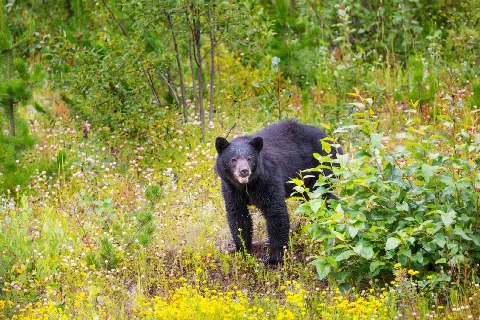
We aggregated data from Scientific Reports, The Journal of Wildlife Management, the National Park Service, and other primary sources.
Key Takeaways
- 5,440From 1950 to 2019, a study collected 5,440 reported large carnivore attacks on humans worldwide, excluding attacks by rabid animals.PLOS Biology, 1950-2019
- 9%About 9% of reported ursid attacks on humans were fatal, compared with 65% for felids and 49% for canids.PLOS Biology, 1950-2019
- 45%Among cases with known scenario, involuntary sudden encounters 45%, defensive reactions by females with cubs 18%, and food-related interactions 16% were the main ursid attack triggers.PLOS Biology, 1950-2019
- 210A study analyzed 210 agency-confirmed, non-fatal black bear attacks in the 48 conterminous United States from 2000 to 2017.Human-Wildlife Interactions, 2000 to 2017
- 74%In 74% of cases, there were reports of property damage by bears or bears getting a food-reward in the area prior to the attack.Human-Wildlife Interactions, 2000 to 2017
- 1 in 26.2MFrom 1872 to 2018, 1 fatality per 26.2 million park visits was the grizzly bear fatality risk in Yellowstone National Park.Human-Wildlife Interactions, 1872 to 2018
- 1 in 59.5MIn 2018, 1 in 59.5 million visits was the risk of bear attack during front-country recreation in Yellowstone National Park.National Park Service, Yellowstone National Park, 2018
- 269A study reviewed 269 incidents of bear-human conflict involving firearms in Alaska.The Journal of Wildlife Management, 2012
- 76%A 76% success rate was associated with long guns in stopping aggressive bears.The Journal of Wildlife Management, 2012
- 63At least 63 people were killed in 59 incidents by non-captive black bears from 1900 to 2009.The Journal of Wildlife Management, 1900-2009
Where Have Bears Killed People in North America?
Fatal attacks by wild bears in the US and Canada, by date, place, species and activity. Source: Wikipedia, List of fatal bear attacks in North America (CC BY-SA 4.0).
| Date | Place | Species | Activity | Deaths |
|---|---|---|---|---|
| November 2026 | Bella Coola, British Columbia | Brown bear / grizzly | Other or unknown | 2 |
| July 2026 | La Ronge, Saskatchewan | Black bear | At home or a cabin | 2 |
| May 2026 | Points North, Saskatchewan | Black bear | Working outdoors | 1 |
| May 2026 | Glacier National Park, Montana | Brown bear / grizzly | Hiking or walking | 1 |
| October 2025 | Newton County, Arkansas | Black bear | Camping | 1 |
| October 2025 | Regional District of East Kootenay, British Columbia | Brown bear / grizzly | Hunting | 1 |
| September 2025 | Franklin County, Arkansas | Black bear | Working outdoors | 1 |
| May 2025 | Collier County, Florida | Black bear | Other or unknown | 1 |
| October 2024 | Sitka, Alaska | Brown bear / grizzly | Hunting | 1 |
| August 2024 | Brevoort Island, Nunavut | Polar bear | Working outdoors | 1 |
| July 2024 | Shamattawa First Nation, Manitoba | Black bear | Other or unknown | 1 |
| November 2023 | Downieville, California | Black bear | At home or a cabin | 1 |
| September 2023 | Red Deer River Valley, Banff National Park, Alberta | Brown bear / grizzly | Other or unknown | 2 |
| July 2023 | West Yellowstone, Montana | Brown bear / grizzly | Other or unknown | 1 |
| June 2023 | Groom Creek, Arizona | Black bear | Camping | 1 |
| January 2023 | Wales, Alaska | Polar bear | Other or unknown | 2 |
| May 2022 | Joint Base Elmendorf–Richardson, Alaska | Brown bear / grizzly | Working outdoors | 1 |
| March 2022 | Six Mile Creek, Park County, Montana | Brown bear / grizzly | Other or unknown | 1 |
| July 2021 | Swan Hills, Alberta | Black bear | Working outdoors | 1 |
| July 2021 | Ovando, Montana | Brown bear / grizzly | Camping | 1 |
| May 2021 | Water Valley, Alberta | Brown bear / grizzly | Hiking or walking | 1 |
| May 2021 | Waiparous, Alberta | Brown bear / grizzly | Hiking or walking | 1 |
| April 2021 | Durango, Colorado | Black bear | Hiking or walking | 1 |
| April 2021 | West Yellowstone, Montana | Brown bear / grizzly | Fishing | 1 |
| September 2020 | Great Smoky Mountains National Park, North Carolina | Black bear | Camping | 1 |
| September 2020 | Wrangell–St. Elias National Park and Preserve, Alaska | Brown bear / grizzly | Hunting | 1 |
| August 2020 | Buffalo Narrows, Saskatchewan | Black bear | Camping | 1 |
| July 2020 | Red Lake, Ontario | Black bear | Other or unknown | 1 |
| July 2020 | Hope, Alaska | Brown bear / grizzly | Working outdoors | 1 |
| September 2019 | Red Pine Island, Ontario | Black bear | At home or a cabin | 1 |
| August 2019 | Tulita, Northwest Territories | Brown bear / grizzly | Camping | 1 |
| November 2018 | Einarson Lake, Yukon | Brown bear / grizzly | At home or a cabin | 2 |
| October 2018 | Admiralty Island, Alaska | Brown bear / grizzly | Working outdoors | 1 |
| September 2018 | Teton Wilderness, Wyoming | Brown bear / grizzly | Working outdoors | 1 |
| August 2018 | Lyon Inlet, Nunavut | Polar bear | Other or unknown | 1 |
| July 2018 | Sentry Island, Nunavut | Polar bear | Other or unknown | 1 |
| June 2018 | Eagle River, Alaska | Brown bear / grizzly | Hiking or walking | 1 |
| June 2017 | Pogo mine, Alaska | Black bear | Working outdoors | 1 |
| June 2017 | Indian, Alaska | Black bear | Hiking or walking | 1 |
| June 2016 | Flathead National Forest, Montana | Brown bear / grizzly | Other or unknown | 1 |
| October 2015 | West of Kalispell, Montana | Black bear | At home or a cabin | 1 |
| August 2015 | Yellowstone National Park, Wyoming | Brown bear / grizzly | Other or unknown | 1 |
| May 2015 | Near Mackenzie, British Columbia | Black bear | Camping | 1 |
| October 2014 | Near Teslin, Yukon | Brown bear / grizzly | At home or a cabin | 1 |
| September 2014 | Near West Milford, New Jersey | Black bear | Hiking or walking | 1 |
| September 2014 | Near Norman Wells, Northwest Territories | Brown bear / grizzly | Hunting | 1 |
| September 2014 | Kananaskis Country, Alberta | Brown bear / grizzly | Hunting | 1 |
| September 2014 | Bridger-Teton National Forest, Wyoming | Brown bear / grizzly | Working outdoors | 1 |
| May 2014 | Near Fort McMurray, Alberta | Black bear | Working outdoors | 1 |
| June 2013 | Near Delta Junction, Alaska | Black bear | Hiking or walking | 1 |
| October 2012 | Chichagof Island, Alaska | Brown bear / grizzly | Camping | 1 |
| August 2012 | Denali National Park, Alaska | Brown bear / grizzly | Hiking or walking | 1 |
| August 2011 | Yellowstone National Park, Wyoming | Brown bear / grizzly | Hiking or walking | 1 |
| July 2011 | Pinetop-Lakeside, Arizona | Black bear | Hiking or walking | 1 |
| July 2011 | Yellowstone National Park, Wyoming | Brown bear / grizzly | Hiking or walking | 1 |
| June 2011 | Near Lillooet, British Columbia | Black bear | At home or a cabin | 1 |
| July 2010 | Gallatin National Forest, Montana | Brown bear / grizzly | Camping | 1 |
| June 2010 | Shoshone National Forest, Wyoming | Brown bear / grizzly | Hiking or walking | 1 |
| September 2009 | ZEC Wessonneau, Québec | Black bear | Working outdoors | 1 |
| August 2009 | Ouray, Colorado | Black bear | At home or a cabin | 1 |
| October 2008 | Near Sundre, Alberta | Brown bear / grizzly | Hunting | 1 |
| May 2008 | Near La Sarre, Quebec | Black bear | Fishing | 1 |
| November 2007 | Near Sundre, Alberta | Brown bear / grizzly | Hunting | 1 |
| July 2007 | Panorama Mountain Resort, British Columbia | Black bear | Other or unknown | 1 |
| June 2007 | Uinta National Forest, Utah | Black bear | Camping | 1 |
| April 2006 | Cherokee National Forest, Tennessee | Black bear | Other or unknown | 1 |
| April 2006 | Near Ross River, Yukon | Brown bear / grizzly | Working outdoors | 1 |
| September 2005 | Missinaibi Lake Provincial Park, Ontario | Black bear | Camping | 1 |
| September 2005 | Near Bowron River, British Columbia | Brown bear / grizzly | Working outdoors | 1 |
| August 2005 | Selkirk, Manitoba | Black bear | Other or unknown | 1 |
| June 2005 | Nonacho Lake, Northwest Territories | Black bear | At home or a cabin | 1 |
| June 2005 | Arctic National Wildlife Refuge, Alaska | Brown bear / grizzly | Camping | 1 |
| June 2005 | Canmore, Alberta | Brown bear / grizzly | Other or unknown | 1 |
| October 2003 | Katmai National Park, Alaska | Brown bear / grizzly | Camping | 1 |
| September 2002 | Saint-Zénon-du-Lac-Humqui, Quebec | Black bear | Camping | 1 |
| September 2002 | Near Fort Nelson, British Columbia | Black bear | Working outdoors | 1 |
| August 2002 | Fallsburg, New York | Black bear | At home or a cabin | 1 |
| October 2001 | Near Ovando, Montana | Brown bear / grizzly | Hunting | 1 |
| August 2001 | Mora, New Mexico | Black bear | At home or a cabin | 1 |
| June 2001 | Near Yellowknife, Northwest Territories | Black bear | Camping | 1 |
| July 2000 | Near Valcartier, Quebec | Black bear | Other or unknown | 1 |
| July 2000 | Hyder, Alaska | Brown bear / grizzly | Camping | 1 |
| May 2000 | Great Smoky Mountains National Park, Tennessee | Black bear | Other or unknown | 1 |
| November 1999 | Uganik Island, Alaska | Brown bear / grizzly | Hunting | 1 |
| July 1999 | Near Rankin Inlet, Nunavut | Polar bear | Other or unknown | 1 |
| May 1999 | Kenai National Wildlife Refuge, Alaska | Brown bear / grizzly | Hiking or walking | 1 |
| October 1998 | Near Prince George, British Columbia | Brown bear / grizzly | Hiking or walking | 1 |
| August 1998 | Near Beaver Mines, Alberta | Brown bear / grizzly | Fishing | 1 |
| May 1998 | Glacier National Park, Montana | Brown bear / grizzly | Hiking or walking | 1 |
| February 1998 | Near Kenai, Alaska | Brown bear / grizzly | Working outdoors | 1 |
| August 1997 | Liard River Hot Springs Provincial Park, British Columbia | Black bear | Hiking or walking | 1 |
| August 1996 | Gates of the Arctic National Park, Alaska | Brown bear / grizzly | Hiking or walking | 1 |
| July 1996 | Kluane National Park, Yukon | Brown bear / grizzly | Hiking or walking | 1 |
| June 1996 | Near Tatlayoko Lake, British Columbia | Black bear | Working outdoors | 1 |
| October 1995 | Near Radium Hot Springs, British Columbia | Brown bear / grizzly | Hunting | 1 |
| July 1995 | Near Anchorage, Alaska | Brown bear / grizzly | Hiking or walking | 1 |
| September 1994 | 70 Mile House, British Columbia | Black bear | At home or a cabin | 1 |
| August 1993 | Fremont County, Colorado | Black bear | At home or a cabin | 1 |
| October 1992 | Glacier National Park, Montana | Brown bear / grizzly | Hiking or walking | 1 |
| September 1992 | Jasper National Park, Alberta | Brown bear / grizzly | Camping | 1 |
| July 1992 | Glennallen, Alaska | Black bear | At home or a cabin | 1 |
| July 1992 | Near King Cove, Alaska | Brown bear / grizzly | Hiking or walking | 1 |
| June 1992 | Near Cochrane, Ontario | Black bear | Working outdoors | 1 |
| October 1991 | Algonquin Provincial Park, Ontario | Black bear | Camping | 1 |
| May 1991 | Lesser Slave Lake, Alberta | Black bear | Camping | 1 |
| December 1990 | Point Lay, Alaska | Polar bear | Hiking or walking | 1 |
| November 1988 | Port Alexander, Alaska | Brown bear / grizzly | Hunting | 1 |
| October 1988 | Chinchaga River, near Manning, Alberta | Brown bear / grizzly | Working outdoors | 1 |
| November 1987 | Near DeBolt, Alberta | Black bear | Other or unknown | 1 |
| July 1987 | Glacier National Park, Montana | Brown bear / grizzly | Hiking or walking | 1 |
| April 1987 | Glacier National Park, Montana | Brown bear / grizzly | Other or unknown | 1 |
| October 1986 | Yellowstone National Park, Wyoming | Brown bear / grizzly | Other or unknown | 1 |
| May 1985 | Near Fort Nelson, British Columbia | Black bear | Working outdoors | 1 |
| July 1984 | Yellowstone National Park, Wyoming | Brown bear / grizzly | Camping | 1 |
| November 1983 | Churchill, Manitoba | Polar bear | Hiking or walking | 1 |
| July 1983 | La Vérendrye Wildlife Reserve, Quebec | Black bear | Camping | 1 |
| June 1983 | Gallatin National Forest, Montana | Brown bear / grizzly | Camping | 1 |
| May 1983 | Near Nipawin Provincial Park, Saskatchewan | Black bear | Fishing | 1 |
| May 1983 | Near Canwood, Saskatchewan | Black bear | Other or unknown | 1 |
| July 1981 | Liard River Hot Springs Provincial Park, British Columbia | Brown bear / grizzly | Camping | 1 |
| September 1980 | Glacier National Park, Montana | Brown bear / grizzly | Camping | 1 |
| August 1980 | Near Zama City, Alberta | Black bear | Working outdoors | 1 |
| August 1980 | Near Banff, Alberta | Brown bear / grizzly | Fishing | 1 |
| July 1980 | Leo Creek, near Granisle, British Columbia | Black bear | Fishing | 1 |
| July 1980 | Glacier National Park, Montana | Brown bear / grizzly | Camping | 1 |
| September 1979 | Near Pincher Creek, Alberta | Brown bear / grizzly | Hunting | 1 |
| May 1978 | Main article: 1978 Algonquin Provincial Park bear attack Canada, Algonquin Provincial Park, Ontario | Black bear | Fishing | 3 |
| July 1977 | Waterton Lakes National Park, Alberta | Brown bear / grizzly | Other or unknown | 1 |
| September 1976 | Glacier National Park, Montana | Brown bear / grizzly | Camping | 1 |
| September 1976 | Glacier Bay National Park and Preserve, Alaska | Brown bear / grizzly | Camping | 1 |
| August 1976 | Near Fairview, Alberta | Black bear | Other or unknown | 1 |
| July 1976 | Glacier National Park, British Columbia | Brown bear / grizzly | Hiking or walking | 1 |
| January 1975 | Inuvik, Northwest Territories | Polar bear | Working outdoors | 1 |
| August 1974 | Izembek National Wildlife Refuge, Alaska | Brown bear / grizzly | Camping | 1 |
| May 1974 | Glenwood, Washington | Black bear | At home or a cabin | 1 |
| September 1973 | Banff National Park, Alberta | Brown bear / grizzly | Working outdoors | 1 |
| June 1972 | Yellowstone National Park, Wyoming | Brown bear / grizzly | Camping | 1 |
| July 1971 | Near Rocky Mountain National Park, Colorado | Black bear | Camping | 1 |
| January 1970 | Near Fort St. John, British Columbia | Brown bear / grizzly | Hunting | 1 |
| November 1968 | Churchill, Manitoba | Polar bear | Other or unknown | 1 |
| October 1968 | Near Atikokan, Ontario | Black bear | Hiking or walking | 1 |
| August 1967 | Near Okanagan Landing, British Columbia | Black bear | Hiking or walking | 1 |
| August 1967 | Glacier National Park, Montana | Brown bear / grizzly | Camping | 1 |
| August 1967 | Glacier National Park, Montana | Brown bear / grizzly | Camping | 1 |
| June 1965 | Aitkin, Minnesota | Black bear | Fishing | 1 |
| September 1964 | Near Schefferville, Quebec | Black bear | Working outdoors | 1 |
| August 1963 | Near Fairbanks, Alaska | Black bear | Other or unknown | 1 |
| September 1959 | Near Cadomin, Alberta | Black bear | Fishing | 1 |
| October 1958 | Near Ovando, Montana | Brown bear / grizzly | Hunting | 1 |
| August 1958 | Jasper National Park, Alberta | Black bear | At home or a cabin | 1 |
| October 1956 | Near Augusta, Montana | Brown bear / grizzly | Hunting | 1 |
| April 1956 | Chitina, Copper River Census Area, Alaska | Brown bear / grizzly | Hunting | 2 |
| September 1955 | Near Eureka, Alaska | Brown bear / grizzly | Hunting | 1 |
| November 1952 | Near Anchorage, Alaska | Black bear | At home or a cabin | 1 |
| July 1948 | Marquette National Forest, Michigan | Black bear | At home or a cabin | 1 |
| November 1943 | West Townshend, Vermont | Black bear | Hunting | 1 |
| August 1942 | Yellowstone National Park, Wyoming | Brown bear / grizzly | At home or a cabin | 1 |
| October 1932 | Near Dawson, Yukon | Brown bear / grizzly | Other or unknown | 1 |
| October 1929 | Admiralty Island, Alaska | Brown bear / grizzly | Working outdoors | 1 |
| September 1929 | Jasper National Park, Alberta | Brown bear / grizzly | Working outdoors | 1 |
| August 1929 | Near Lac Du Bonnet, Manitoba | Black bear | At home or a cabin | 1 |
| June 1922 | Absaroka-Beartooth Wilderness, Montana | Brown bear / grizzly | Other or unknown | 1 |
| September 1916 | Yellowstone National Park, Wyoming | Brown bear / grizzly | Other or unknown | 1 |
| February 1914 | Helena, Montana | Brown bear / grizzly | Other or unknown | 1 |
| September 1913 | Napartok Bay, Newfoundland and Labrador | Polar bear | Other or unknown | 1 |
| November 1906 | Elk County, Pennsylvania | Black bear | Other or unknown | 1 |
| May 1901 | Job, West Virginia | Black bear | Other or unknown | 1 |
| September 1892 | Near Greybull River, Wyoming | Brown bear / grizzly | Other or unknown | 1 |
| June 1892 | Colonia Pacheco, Chihuahua, Mexico | Brown bear / grizzly | Other or unknown | 1 |
| June 1886 | Salmon River, Idaho | Brown bear / grizzly | Other or unknown | 1 |
| July 1885 | Sedona, Arizona | Brown bear / grizzly | Other or unknown | 1 |
| December 1883 | Wilkes-Barre, Pennsylvania | Black bear | Other or unknown | 1 |
| September 1883 | Cheboygan, Michigan | Black bear | Other or unknown | 1 |
| June 1881 | Algonquin Provincial Park, Ontario | Black bear | Other or unknown | 1 |
| 1875 | Big Basin Redwoods State Park, California | Brown bear / grizzly | Other or unknown | 1 |
| August 1863 | Cache County, Utah | Brown bear / grizzly | Other or unknown | 1 |
| 1855 | Sierra Nevada, California | Brown bear / grizzly | Other or unknown | 1 |
| December 1854 | Santa Monica, California | Brown bear / grizzly | Other or unknown | 1 |
| October 1854 | Mount San Antonio, California | Brown bear / grizzly | Other or unknown | 1 |
| 1850 | Rocky Mountains | Brown bear / grizzly | Other or unknown | 1 |
| October 1837 | Fort Tejon, California | Brown bear / grizzly | Hunting | 1 |
| August 1784 | Moultonborough, New Hampshire | Black bear | Working outdoors | 1 |
1. How Many Bear Attacks Are Reported in North America and Worldwide?
The widest worldwide study collected 5,440 reported large carnivore attacks on humans. That PLOS Biology figure is a global carnivore reference point, so it should not be read as a North America bear count. A separate Scientific Reports dataset covers bear attacks in North America from 1955 to 2014, with polar bear cases handled across the circumpolar region.
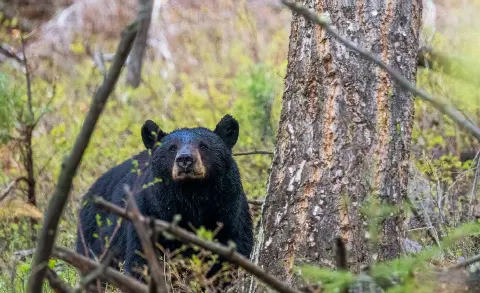
The PLOS Biology dataset is a subsample of actual cases and excludes attacks by rabid animals.
Most recent available data: PLOS Biology, 2019.
2. What Circumstances Lead to Black Bear Attacks?
A prior food reward or property damage report is a major red flag, appearing before 74% of conterminous U.S. nonfatal cases. That means risk can build before a person outdoors ever sees the animal. Human Wildlife Interactions also separated defensive cases from food motivation, which keeps planning focused on behavior and attractants.
Defensive cases made up 52%, while food motivation accounted for 33%. The defensive side often involved female bears with young, so space matters as much as scent control. Store food and scented items securely, and give family groups extra distance to repel bears while camping. Food that stays sealed in a hard-sided cooler, kept in a vehicle or food locker, gives bears less reason to linger, and our best camping coolers guide compares hard-sided options for longer trips.
The conterminous U.S. study was limited to 210 agency confirmed nonfatal cases in the 48 conterminous United States, with Alaska excluded.
Most recent available data: PLOS Biology, 2019.
3. How Often Do Bear Attacks Happen in Yellowstone?
Around roads and developed areas, the National Park Service put the risk at 1 in 59.5 million visits in 2018. That visit-based figure belongs to front-country recreation. It should not be used for backcountry hiking or campsite nights, because the National Park Service uses different exposure measures for those activities.
Backcountry campsite risk is tied to overnight stays. Backcountry hiking risk is tied to person use days, which count time spent using the area. That matters because a long trip adds exposure in a way a single entrance count cannot show.
Historical fatality figures cover a much longer window. Human-Wildlife Interactions reported 8 fatal bear attacks from 1872 to 2018 and a grizzly bear fatality risk of 1 fatality per 26.2 million park visits. For backcountry travel, Yellowstone managers suggested hiking with at least three people. Most encounters start with surprise, so a bright camping headlamp for early starts and dusk walks makes it easier to spot movement on the trail before you get close.
The fatality study abstract states the bear species for seven of the eight Yellowstone deaths from 1872 to 2018.
Most recent available data: Human-Wildlife Interactions, 2022.
4. Does Bear Spray Work Better than a Gun?
These sources do not compare the two head to head. A study of Alaska firearm incidents reported an 84% success rate for handguns and 76% for long guns, while Yellowstone logged 4 successful bear spray deployments in 2018.

National Park Service data shows carriage was common among Yellowstone backpacking groups in 2018, with 81% of groups carrying it. Day trail use looked lower, with 46% of groups carrying it. That split matters because the device can help only if someone has it and can reach it during a close encounter.
The Alaska firearm study is a different source and setting. It reviewed 269 incidents involving firearms and reported separate outcomes for long guns and handguns. Those results describe firearm use in Alaska, while the Yellowstone figures describe carrying and successful deployments in one park year.
A plan to repel bears while camping should keep any deterrent accessible, since the Alaska study said inadequate response time affected 27% of diminished firearm effectiveness cases.
The firearm study caveat says the data year range is missing from the available text.
Most recent available data: National Park Service, Yellowstone National Park, 2018.
5. What Do Fatal Black Bear Cases Show Historically?
The long record is small: at least 63 people killed in 59 incidents. The Journal of Wildlife Management case series covers 1900 to 2009, so it is history and should not be read as a current risk estimate. Its value is in the circumstances around the deaths.
The cases point toward severe encounters involving small parties, predatory behavior, daylight, and sometimes food or garbage near the attack location. Store food and garbage so a bear has less reason to be there. That framing keeps an old death record separate from today's trip planning choices.
Only non-captive black bears are counted, and the figure is a minimum.
Most recent available data: The Journal of Wildlife Management, 2011.
Bear Attack by the Numbers
Methodology and Sources
The public data reviewed here does not provide a current North America bear attack total or a live Yellowstone sighting count. Several sources count conflicts, visits, incidents, or media reports, so they cannot be merged into one attack rate.
Watch the next Yellowstone human bear conflict report, Utah DWR seasonal incident updates, and new peer reviewed bear attack datasets.
Figures are reported as each source published them. Surveys with different methods are shown separately and were not combined.
- Human-Wildlife Interactions, Bear-caused Human Fatalities in Yellowstone National Park: Characteristics and Trends (2022)
- PLOS Biology, A worldwide perspective on large carnivore attacks on humans (1950-2019)
- National Park Service, Yellowstone National Park, Yellowstone National Park Bear-Human Conflict Report - 2018 (2018)
- Human-Wildlife Interactions, Characteristics of Non-fatal Attacks by Black Bears: Conterminous United States, 2000 to 2017 (2000 to 2017)
- Scientific Reports, Human behaviour can trigger large carnivore attacks in developed countries (1955 to 2014)
- The Journal of Wildlife Management, Efficacy of firearms for bear deterrence in Alaska (2012)
- The Journal of Wildlife Management, Fatal attacks by American black bear on people: 1900-2009 (2011)
- The Journal of Wildlife Management, Fatal attacks by American black bear on people: 1900-2009 (1900-2009)
Last updated: November 2026
We update this page annually.