211 deaths were estimated by CPSC in 2020 for unintentional non-fire carbon monoxide poisoning associated with consumer products under its jurisdiction. CPSC also reported 92 carbon monoxide deaths associated with generators in 2020, the highest number for any single product category. Cold weather matters because CPSC found 56% of CO deaths from 2018 to 2020 occurred during November, December, January, and February, though these data are not specific to camping.
We aggregated data from U.S. Consumer Product Safety Commission, Clinical Toxicology, The American Journal of Emergency Medicine, and other primary sources.
Key Takeaways
- 211211 deaths were the estimated 2020 unintentional non-fire CO poisoning deaths associated with consumer products under CPSC jurisdiction.U.S. Consumer Product Safety Commission, 2020
- 225/yr225 deaths per year was the estimated annual average for unintentional non-fire CO poisoning deaths associated with consumer products from 2018 to 2020.U.S. Consumer Product Safety Commission, 2018-2020
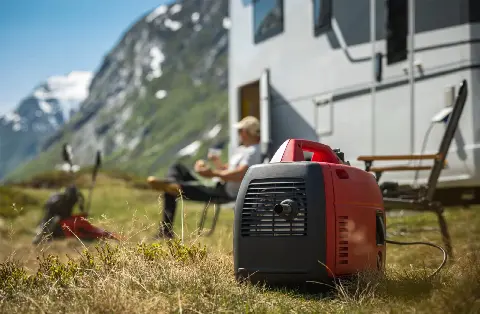
- 9292 carbon monoxide deaths in 2020 were associated with generators, the highest number for any single product category.U.S. Consumer Product Safety Commission, 2020
- 3333 carbon monoxide deaths in 2020 were associated with portable heaters, the second highest product category.U.S. Consumer Product Safety Commission, 2020
- 81%About 81% of the estimated 34 deaths in 2020 associated with LP gas heating systems involved unvented portable propane heaters intended as camping heaters or heaters for temporary spaces.U.S. Consumer Product Safety Commission, 2020
- 796796 deaths since 2010 were associated with portable generators alone, accounting for 40% of all non-fire CO deaths related to consumer products under CPSC jurisdiction.U.S. Consumer Product Safety Commission, 2010-2020
- 56%56% of CO deaths from 2018 to 2020 occurred during November, December, January, and February.U.S. Consumer Product Safety Commission, 2018-2020
- 2525 people died from carbon monoxide poisoning associated with camping equipment from 2002 to 2006, including grills, lanterns, and stoves.U.S. Consumer Product Safety Commission, 2002-2006
- 10%28 of 274 fatal EDT-related CO incidents with known alarm presence reportedly had a CO alarm present, accounting for 10% of fatalities.U.S. Consumer Product Safety Commission, 2005-2017
- 3.2×3.2 times higher odds of CO poisoning were reported among unintentional CO exposures in Wisconsin residences with no CO detector than with a CO detector that alarmed.Clinical Toxicology, 2014-2016
- 81%81% of CO fatality victims associated with engine-driven tools had carboxyhemoglobin levels at or above 50% when the level was known.U.S. Consumer Product Safety Commission, 2005-2017
1. How Many Carbon Monoxide Deaths and Emergency Visits Happen in the US?
Across the country, consumer products are tied to 225 deaths per year. CPSC data set a broad baseline for any camping discussion because the estimate covers products under its jurisdiction. CDC material also cited >20,000 CO exposure-related emergency department visits reported annually, showing that nonfatal exposure remains a regular emergency care issue.
| Metric | Value | Source |
|---|---|---|
| US consumer product CO deaths in 2020 | 211 deaths | U.S. Consumer Product Safety Commission, Non-Fire Carbon Monoxide Deaths Associated with the Use of Consumer Products 2020 Annual Estimates (2020) |
| US consumer product CO deaths per year from 2018 to 2020 | 225 deaths per year | U.S. Consumer Product Safety Commission, Non-Fire Carbon Monoxide Deaths Associated with the Use of Consumer Products 2020 Annual Estimates (2018-2020) |
| US CO emergency department visits reported annually in 2011 source | >20,000 | Centers for Disease Control and Prevention, Carbon Monoxide Exposures --- United States, 2000--2009 (2011) |
| US annual CO deaths from non-automotive consumer products | more than 200 per year | U.S. Consumer Product Safety Commission, Carbon Monoxide Fact Sheet |
CPSC figures cover all consumer products under its jurisdiction and are not camping-specific.
Most recent available data: U.S. Consumer Product Safety Commission, 2020.
2. Which Consumer Products Are Most Tied to Carbon Monoxide Deaths?
CPSC puts generators at the top of the fatal record, with 92 deaths. That matters outdoors because portable power can be placed near tents, trailers, cabins, or vehicles. Portable heaters follow, with 33 deaths, and the LP gas detail points to 81% of 34 deaths involving unvented portable propane heaters intended as camping heaters or temporary space heaters.
Cooking gear appears in a different way. CPSC records include charcoal or charcoal grills mostly used or suspected of being used for heating, often inside a vehicle. Do not use charcoal, gas ranges, or cooking appliances as heat in an enclosed space.
Heating system counts are broad in CPSC data, and the camping connection is clearest when a product is identified as portable.
Most recent available data: U.S. Consumer Product Safety Commission, 2020.
3. What Do Portable Generator Statistics Say About Carbon Monoxide?
The short answer is that these units drive much of the record: CPSC ties 796 deaths to them from 2010 to 2020. For small loads like phones, lights, and fans, a portable power station runs without exhaust, so it can sit near the tent where a generator never should.

That count puts the hazard close to power loss, storms, and backup electricity. CPSC fatality reports describe use during power shut-off, ice/snow storms, and hurricanes/tropical storms. Those are times when people may stay indoors while a motor runs nearby.
Location matters as much as reason. Attached structures such as garages, enclosed carports, and attached barns appear in fatal home cases. Knowing how to ground a generator matters for electrical safety, but this CO record points first to keeping exhaust far from enclosed or attached spaces.
Most recent available data: U.S. Consumer Product Safety Commission, 2020.
4. What Do Tent, Camper, Stove, Lantern, and Grill Figures Say?
CPSC estimated 40 deaths in those sleeping spaces in 1995.
Direct camping carbon monoxide figures are limited and mostly older, but they still point to familiar places and gear. CPSC records name camping equipment, including grills, lanterns, and stoves, in 25 deaths from 2002 to 2006. Another CPSC record tied camp cooking stoves and lanterns to 15 deaths in 1995, while charcoal grills were tied to 14 deaths that year.
The risk is less about one product label and more about combustion near enclosed space. CPSC also found that in 50 of 52 multi product engine driven tool incidents from 2005 to 2017, the second product was a heating or cooking product. That detail matters for people who sleep or cook outdoors because backup heat, cooking gear, and sheltered air often meet during bad weather.
Safe tent heating advice should start with keeping fuel burning gear out of sleeping areas and enclosed shelters. If you plan to heat a tent, compare options in our tent heaters for winter camping guide, and pair any fuel-burning heater with a battery-powered CO alarm.
Most recent available data: U.S. Consumer Product Safety Commission, 2017.
5. When Are Carbon Monoxide Exposures More Common?
CO trouble rises in the cold: CPSC reports 56% of U.S. consumer-product CO deaths from 2018 to 2020 happened in November to February.
That timing fits outdoor situations that add fuel-burning heat or backup power. Tent heaters, RV furnaces, cabin stoves, storm generators, and engine-driven tools deserve extra attention once nights get cold.
CDC reported unintentional non-fire CO exposures most often in November to February. Plan winter camping heat, RV heat, cabin heat, and backup power with extra caution in November to February. A warmer camping sleeping bag reduces the need to run any heater overnight in the first place.
| Metric | Value | Source |
|---|---|---|
| US CO deaths in November to February from 2018 to 2020 | 56% | U.S. Consumer Product Safety Commission, Non-Fire Carbon Monoxide Deaths Associated with the Use of Consumer Products 2020 Annual Estimates (2018-2020) |
| US other engine-driven tool CO fatalities by season from 2005 to 2017 | Cold months 39%, transitional months 32%, warm months 29% | U.S. Consumer Product Safety Commission, Incidents, Deaths, and In-Depth Investigations Associated with Non-Fire Carbon Monoxide from Engine-Driven Generators and Other Engine-Driven Tools, 2005-2017 (2005-2017) |
| US NPDS unintentional non-fire CO exposures in November to February from 2000 to 2009 | 53.5% | Centers for Disease Control and Prevention, Carbon Monoxide Exposures --- United States, 2000--2009 (2000-2009) |
| US non-fire CO deaths in October to March from 1991 to 1995 | 75% | U.S. Consumer Product Safety Commission, Non-fire Carbon Monoxide Deaths and Injuries Associated with the Use of Consumer Products: Annual Estimates (1991-1995) |
CPSC death data are not specific to camping.
Most recent available data: U.S. Consumer Product Safety Commission, 2020.
6. What Do Carbon Monoxide Detector Statistics Say?
Alarms can help, but 28 of 274 fatal engine-driven tool incidents with known alarm status had one present. That CPSC record suggests the first problem is absence around generators and other engine-driven tools. The same files also include alarms with no power, alarms that were misunderstood, alarms that were disarmed, and alarms located away from the exposure area.
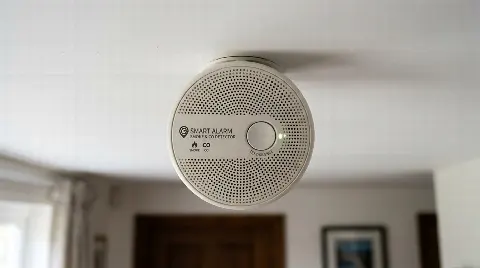
The Wisconsin Clinical Toxicology study points toward benefit: poisoning odds were 3.2 times higher with no detector than with a detector that alarmed. New York City findings add a maintenance concern, with 83% reporting alarms and 54% of alarm owners recently testing or replacing batteries. Use an alarm that has power, can be heard where people are, and is understood before any engine runs nearby.
The Wisconsin study was limited to unintentional residential exposures where detector use was mentioned.
Most recent available data: U.S. Consumer Product Safety Commission, 2017.
7. Who Appears in Carbon Monoxide Fatality Data?
Men show up prominently: CDC’s NPDS reports 65.0% of reported unintentional non-fire CO exposure deaths were male.
The records also point to higher death rates among males, non-Hispanic blacks, and adults aged 85 years and older. That matters outdoors because exposure often depends on equipment, sleeping setup, ventilation, and who is nearby to notice symptoms.
Confirmed engine-driven tool cases can involve severe poisoning. CPSC reported 81% of victims with known carboxyhemoglobin levels were at or above 50%. Treat generators and other engine-driven tools as equipment that can turn an enclosed or partly enclosed space dangerous fast.
NPDS is a passive surveillance system, so deaths are likely underestimated.
Most recent available data: U.S. Consumer Product Safety Commission, 2017.
Camping Carbon Monoxide by the Numbers
Methodology and Sources
The public data reviewed here does not give a current US camping-specific death count for tents, RVs, camp stoves, grills, or portable heaters. It also does not give hotel death counts, worldwide deaths, detector prices for 2026, or how long carbon monoxide stays in the blood.
Watch the next CPSC non-fire carbon monoxide death estimates, CPSC generator incident updates, and CDC poison center or emergency department surveillance releases.
Figures are reported as each source published them. Surveys with different methods are shown separately and were not combined.
- U.S. Consumer Product Safety Commission, Carbon Monoxide Fact Sheet (2020)
- U.S. Consumer Product Safety Commission, Non-Fire Carbon Monoxide Deaths Associated with the Use of Consumer Products 2020 Annual Estimates (2020)
- U.S. Consumer Product Safety Commission, Incidents, Deaths, and In-Depth Investigations Associated with Non-Fire Carbon Monoxide from Engine-Driven Generators and Other Engine-Driven Tools, 2005-2017 (2005-2017)
- Clinical Toxicology, Carbon monoxide detector effectiveness in reducing poisoning, Wisconsin 2014-2016 (2014-2016)
- The American Journal of Emergency Medicine, Carbon monoxide … the silent killer with an audible solution (1999 to 2012)
- Centers for Disease Control and Prevention, Carbon Monoxide Exposures --- United States, 2000--2009 (2011)
- American Journal of Public Health, Impact of Mandatory Carbon Monoxide Alarms: An Investigation of the Effects on Detection and Poisoning Rates in New York City (2009)
- U.S. Consumer Product Safety Commission, Carbon Monoxide Safety Information for Congressional Offices (2002-2006)
- U.S. Consumer Product Safety Commission, Non-fire Carbon Monoxide Deaths and Injuries Associated with the Use of Consumer Products: Annual Estimates (1995)
Last updated: November 2026
We update this page annually.