Snacks carry more of a camping trip than people give them credit for. They fill the long gap between a late breakfast and a slow campfire dinner, they keep kids cheerful on the drive and on the trail, and they're the one thing nobody complains about packing too much of. Get them right and the whole weekend runs smoother, with fewer hangry meltdowns and fewer trips back to the cooler.
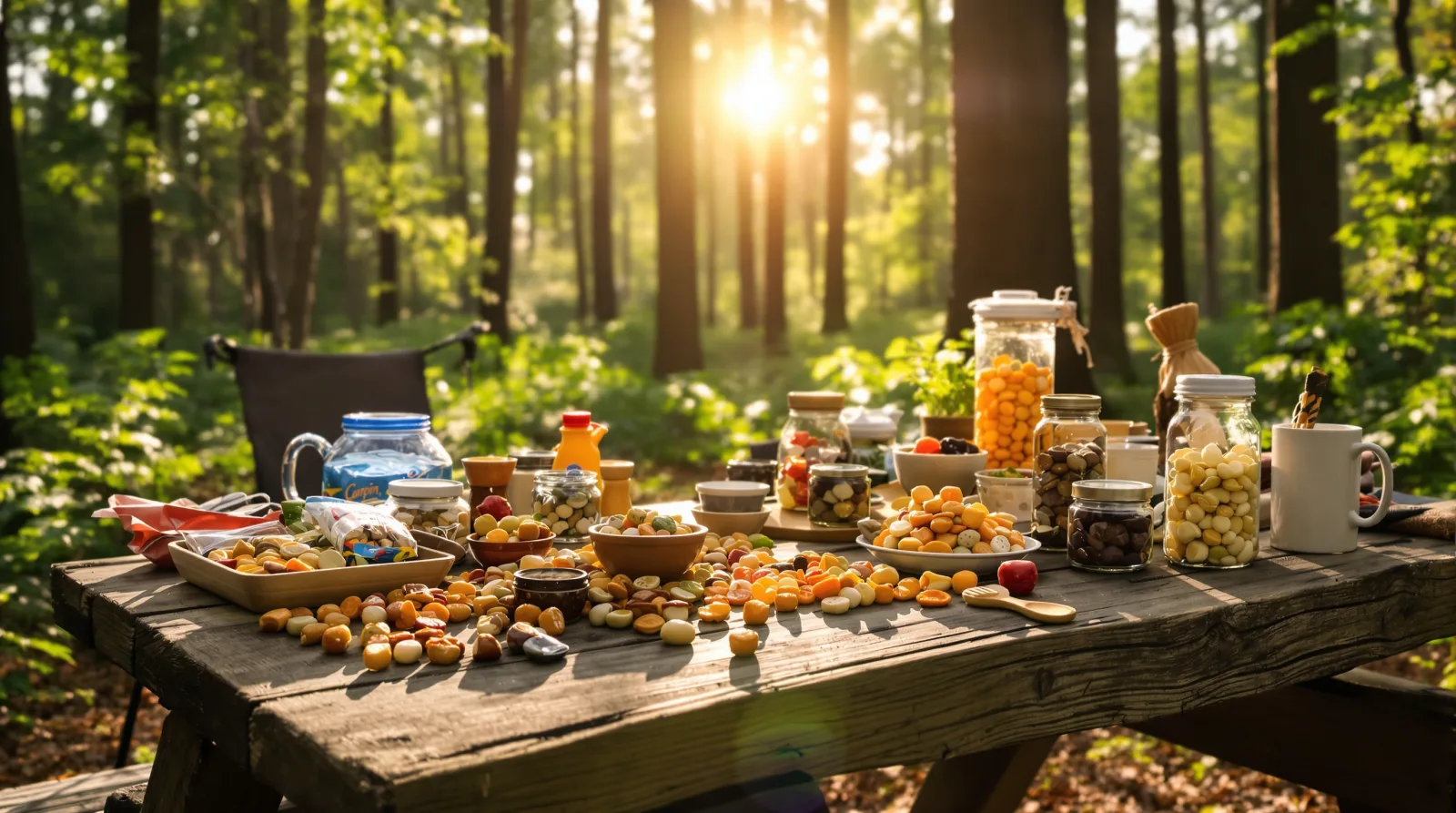
The best camping snacks share a short list of traits. They survive a warm car and a bumpy pack, they don't need a stove or a sink, and they deliver real energy instead of a quick spike and crash. Some you buy off a shelf, some you throw together at home in ten minutes, and a few are worth making fresh over the fire. This guide sorts them by how you'll actually use them, so you can build a snack bag that matches your trip.
We've leaned toward food that holds up without refrigeration, since coolers fill fast and you want that space for real meals. And because a snack is only good if you can find it, we close with how to store everything so it stays fresh and stays out of reach of the animals that would happily raid your stash overnight.
Snacks Worth Buying Before You Go
CampingKnow is reader-supported. When you buy through links on our site, we may earn an affiliate commission at no extra cost to you. Learn more.
Everything below arrives as a bulk box or a variety pack, which is how snacks get bought for a trip in practice: one order covers a weekend for a carload instead of eight separate runs to the shelf. They ask for more up front than a single bag, and they are the ones that come back on the list next season.
| Rank | Product | Best for | Price |
|---|---|---|---|
| #1 | Bulk Snacks Variety Pack, 150 Count | Stocking a whole group for a long weekend | Check price |
| #2 | Righteous Felon Beef Jerky Variety Pack, 26 Count | No-cook protein that survives a hot car | Check price |
| #3 | Kar's Nuts Sweet 'N Salty Trail Mix, 72 Pouches | Single-serve fuel for the trail | Check price |
| #4 | Brothers All Natural Freeze Dried Fruit Crisps, 24 Bags | Fruit that will not melt or bruise | Check price |
| #5 | Veratify Healthy Mixed Snack Box, 66 Count | Keeping kids grazing happily | Check price |
| #6 | Barebells Protein Bars Variety Pack, 12 Count | Filling the gap between meals | Check price |
| #7 | Granola Bars Bulk Variety Pack, Snack Box | Grab-and-go breakfast at camp | Check price |
| #8 | SKIPPY Natural Peanut Butter Squeeze Packs, 64 Count | Nut butter without the jar | Check price |
No-Cook, Non-Perishable Snacks That Travel Anywhere
These are the backbone of any snack bag.
They ride in a bin or a tote bag at room temperature, they don't take up cooler space, and they're ready the second hunger hits. Stock these first and you'll always have something to hand out.
- Crackers and pretzels in a hard container so they don't crush into crumbs by day two.
- Nut butter packets squeezed onto crackers or straight from the pouch for fast calories and protein.
- Dried fruit like apricots, mango, and raisins, which pack sweetness and fiber without spoiling.
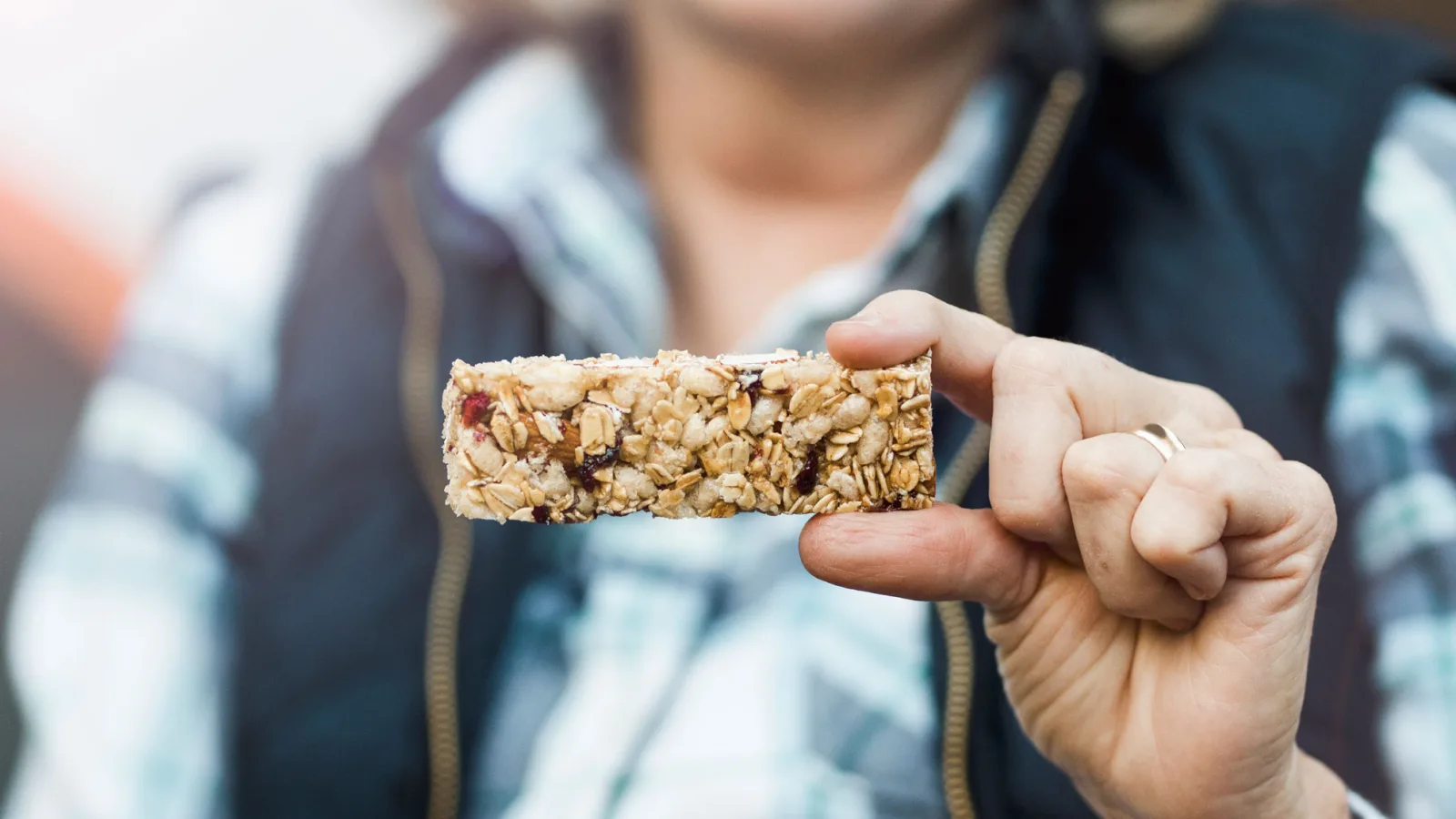
- Granola bars and oat bars, the workhorse snack that fits both a pocket and a kid's hand.
- Popcorn popped at home, light to carry and easy to share around the table.
- Nuts and seeds in a sealed bag for steady energy that won't melt or go stale.
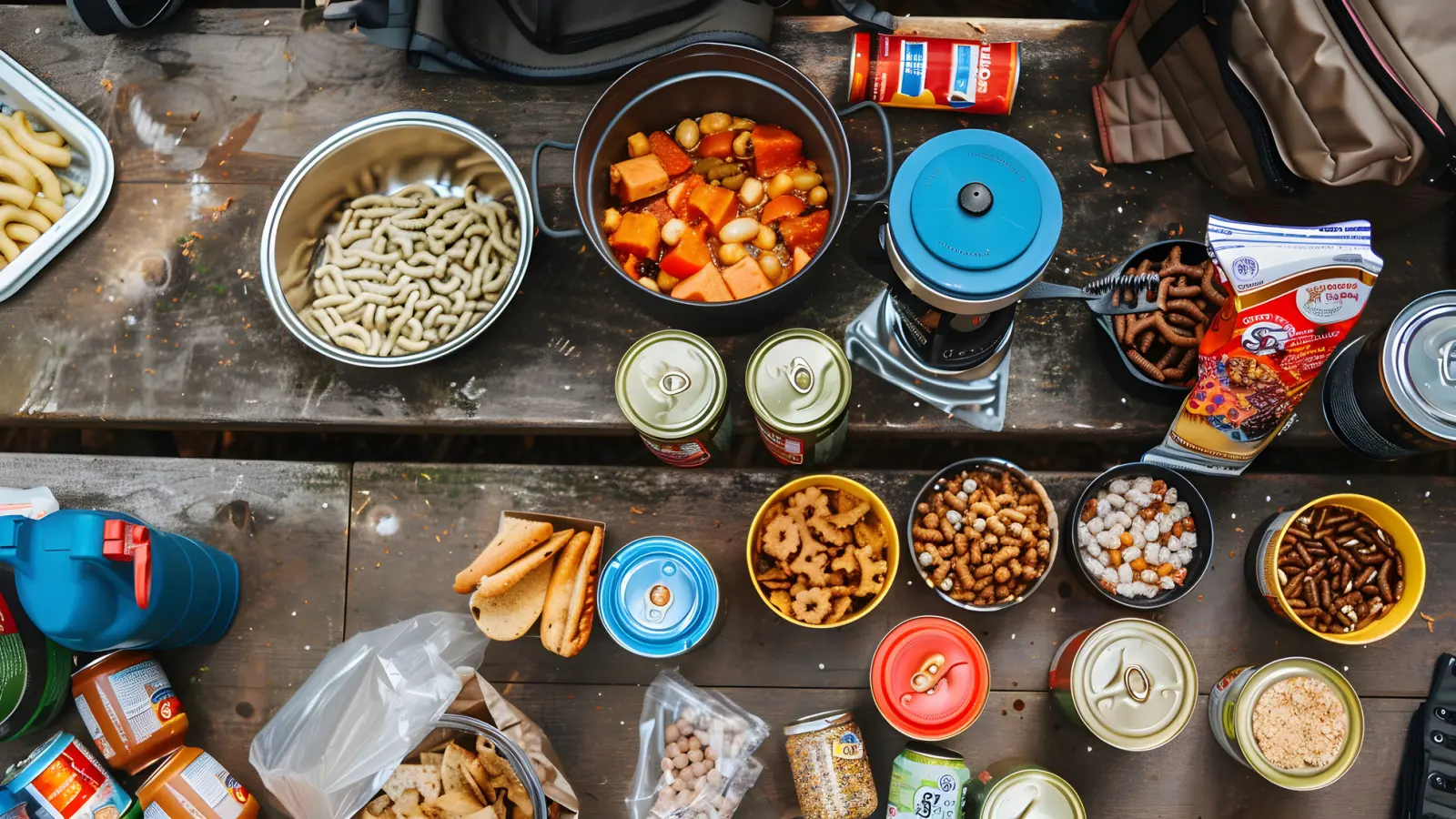
Buy a little more of these than your math suggests, since leftovers travel home fine.
Trail and Hiking Snacks for Steady Energy
On the trail you want fuel that's dense, easy to eat while moving, and balanced between fast sugar and slower-burning fat and protein.
The goal is steady output, not a sugar rush that fades a mile later. Pack these in an outside pocket so you can graze without digging.
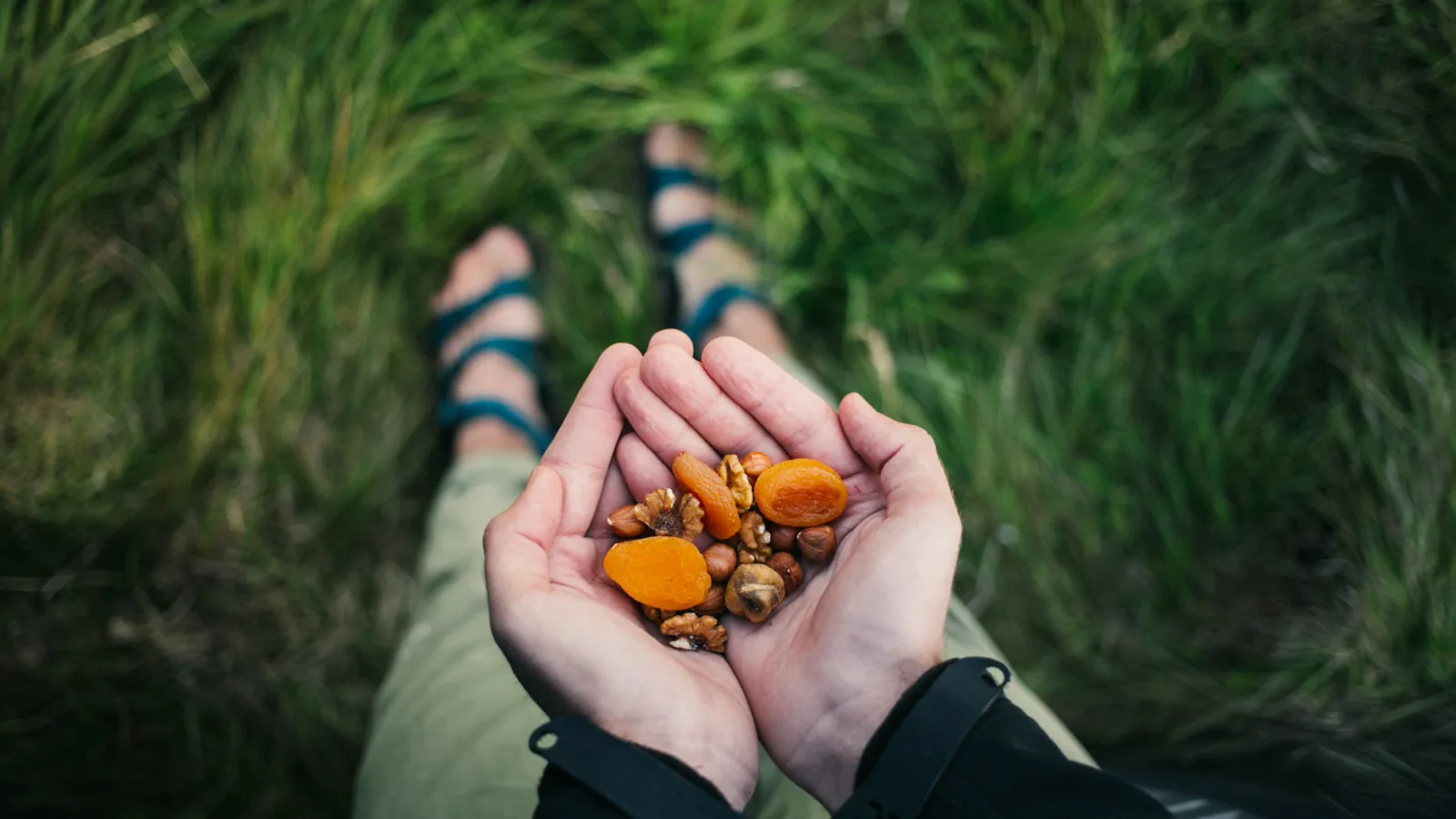
- Trail mix with nuts, seeds, and a small amount of chocolate or dried fruit for a quick lift.
- Energy chews or dates for a fast hit of sugar on a steep climb.
- Beef or turkey jerky, salty and protein-rich, which also replaces some of what you sweat out.
- Nut and seed bars that hold together in a hot pocket without turning to paste.
- Banana chips or freeze-dried fruit, light enough that you barely notice the weight.
Eat small amounts often rather than one big stop, since a handful every half hour keeps your energy level instead of letting it spike and dip.
Pair trail snacks with steady sips of water, since dehydration feels a lot like hunger and gets blamed on it. Our guide on packing simple camping meals covers how to balance trail food with what waits back at camp.
Kid-Friendly Snacks That Keep the Peace
With kids, the right snack is half nutrition and half crowd control.
You want food they already like, that's easy to hold, and that won't end in a sticky mess inside the tent. Familiar wins over fancy every time on a trip.
- Cheese sticks and string cheese if you have cooler room, an easy protein kids reach for.
- Apple slices and baby carrots, pre-cut at home so they're grab-and-go.
- Fruit pouches and applesauce squeezers that don't need a spoon or make a puddle.
- Animal crackers, pretzels, and mini muffins for the snack that feels like a treat.
- Yogurt-covered raisins or fruit leather for a sweet bite without a full candy crash.
Give each kid a small named bag of their own mix.
It cuts the squabbling over who got more and turns snacking into something they manage instead of something they beg for. A printable camping checklist can include a snack column so nothing gets left on the counter at home.
Make-Ahead Snacks You Build at Home
The snacks worth a little kitchen time are the ones you control, where you pick the ingredients and skip the wrappers. Spend twenty minutes the night before and you'll eat better and cheaper all weekend.
- Custom trail mix: start with nuts and seeds, add dried fruit for sweetness, throw in pretzels or cereal for crunch, and finish with a small amount of chocolate or candy. Mix it in one big bowl, then portion into sandwich bags so each person gets a ration.
- No-bake energy balls: stir oats, nut butter, honey, and a handful of chocolate chips or chopped dates, roll into bite-size balls, and chill until firm. They hold a day or two out of the cooler and give a satisfying mix of carbs, fat, and protein in one bite.
- Granola clusters baked at home and broken into chunks, sweeter and crunchier than the bagged kind.
- Savory snack bags of crackers, pretzels, roasted chickpeas, and a few nuts for people who don't want sweet all day.
Making your own also lets you dodge allergens and dial the sugar up or down per person. Label each bag so everyone gets the mix they want.
No-Melt Snacks for Hot Weather
Summer camping punishes the wrong snacks.
Chocolate turns to soup and anything with a soft coating becomes a mess by noon. For hot trips, lean on food that shrugs off heat and still tastes good warm.
- Pretzels, crackers, and rice cakes, dry and stable no matter how hot the car gets.
- Jerky and meat sticks, built to sit at room temperature for days.
- Nuts and roasted chickpeas, which stay crunchy and don't gum up.
- Dried fruit and fruit leather instead of fresh fruit that bruises and spoils.
- Hard candy and electrolyte tablets that hold their shape and help with the sweating.
If you want something cold on a hot afternoon, that's the job your cooler does best. A good cold box keeps fruit, cheese, and drinks crisp through a heat wave, and our roundup of the best camping coolers shows which ones hold ice the longest.
Protein-Focused Snacks That Actually Fill You
Sweet snacks taste great and vanish from your system just as fast.
Protein keeps you full between meals and helps tired muscles recover after a long hike. Work a few of these into the bag so you're not running on sugar alone.
- Jerky and meat sticks in beef, turkey, or salmon, shelf-stable and salty enough to matter on a sweaty day.
- Roasted chickpeas and edamame, a plant-based crunch that travels without a cooler.
- Hard cheese and cured meat if you have cold space, a filling pair that doubles as a no-cook lunch.
- Protein bars, handy but worth tasting at home first since many are chalky or too sweet.
- Hard-boiled eggs cooked before you leave and kept cold, simple protein for the first day out.
A snack that mixes protein and fat with some carbs keeps your energy flat and steady, which stops the mid-afternoon slump that empties the snack bag all at once.
Campfire Treats Worth the Effort
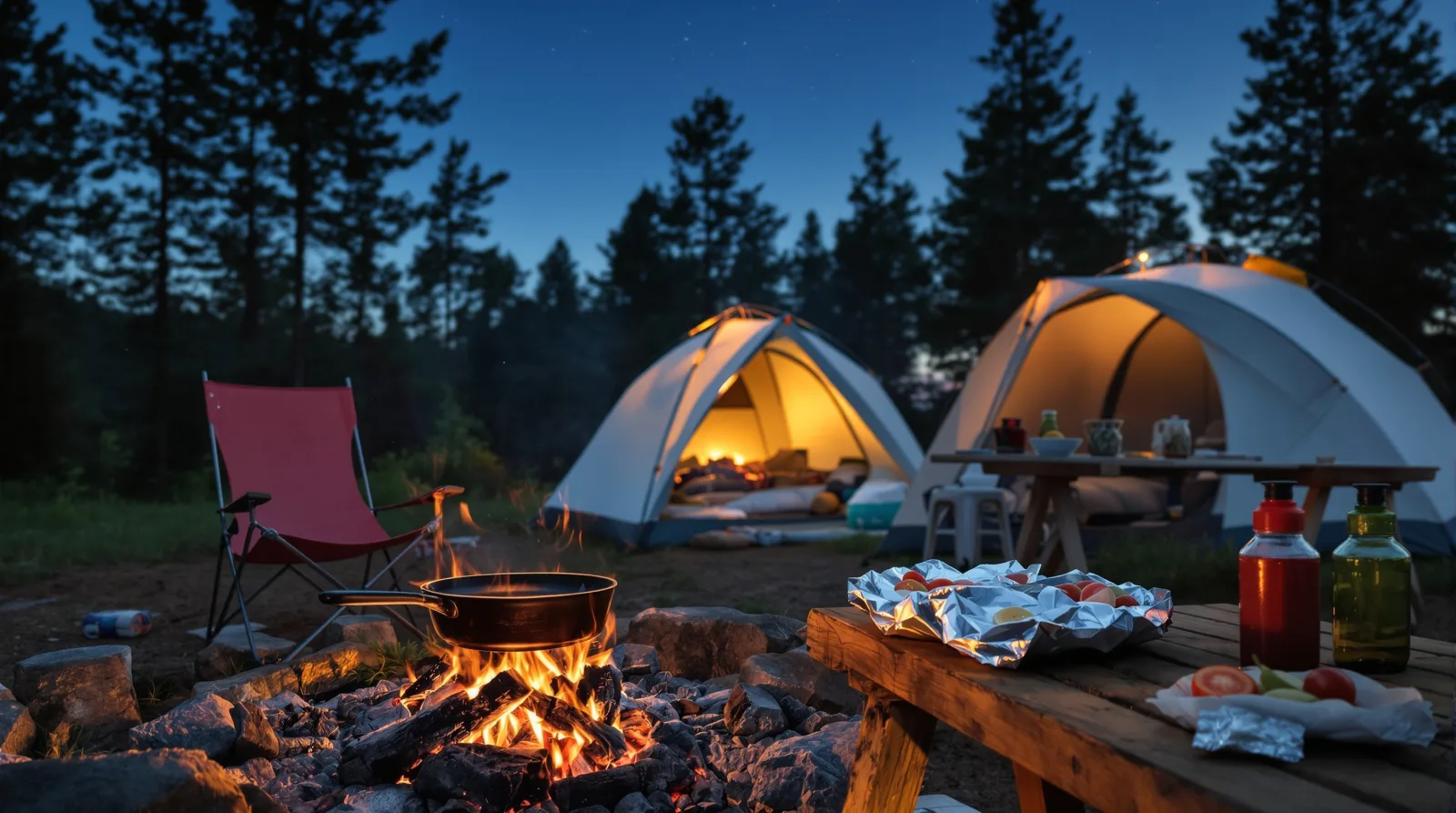
Some snacks are better made on the spot, around the fire, as much for the ritual as the taste. These need a little heat and a stick or some foil, and they turn an ordinary evening into the part of the trip the kids talk about for weeks.
- S'mores, the classic, with graham crackers, chocolate, and toasted marshmallows. Bring extra marshmallows, since half get dropped or burned.
- Banana boats: slit a banana in its peel, stuff it with chocolate and mini marshmallows, wrap in foil, and warm it on the coals until melty.
- Campfire popcorn in a foil packet or a long-handled pan, shaken over the flames until it pops.
- Toasted pound cake, lightly charred on a stick for a quick sweet bite.
- Roasted nuts or chestnuts warmed in a pan for a savory option by the fire.
Keep these for the evening once the fire has settled into steady coals, which toast far better than open flame. Flame just burns the outside and leaves the middle cold.
Balancing Healthy Snacks and Treats
A trip runs on more than carrot sticks, and nobody wants a weekend of only candy either. The trick is a mix that keeps energy up without a string of sugar crashes, so plan a rough ratio before you shop.
- Aim for mostly steady fuel: nuts, jerky, fruit, and whole-grain crackers as the base of the bag.
- Add a few real treats like chocolate, candy, and s'mores fixings, saved for the fire or a summit reward.
- Match snacks to the moment: protein and fat for sitting around camp, quick carbs for the trail, treats for morale at the end of a hard day.
- Watch the salt and water balance, since salty snacks help on a sweaty day but need water to go with them.
Think of treats as the reward and the steady stuff as the engine. Roughly two-thirds real food to one-third fun keeps everyone fueled without the wild sugar swings.
How to Store Snacks at Camp
The best snack bag means nothing if it gets crushed, goes stale, or feeds a raccoon at 2 a.m. Storage is where careless campers lose food and, in bear country, invite real trouble. A little order here protects your stash and the animals that learn bad habits from easy meals.
- Use airtight containers for anything that goes stale or attracts ants, and hard-sided bins for crushable snacks like crackers and chips.
- Never keep food in the tent. Smells linger, and you do not want a curious critter nosing through your sleeping space at night.
- In bear country, use a bear canister or the provided food locker, or hang a bag well off the ground and away from the trunk where regulations call for it.
- At a car campsite, lock food in the vehicle overnight, sealed so smells don't seep out.
- Pack out every wrapper. Trash teaches animals to associate people with food, which ends badly for them and the next campers.
Check the rules for your specific site before you go, since bear-country regulations vary and rangers do enforce them.