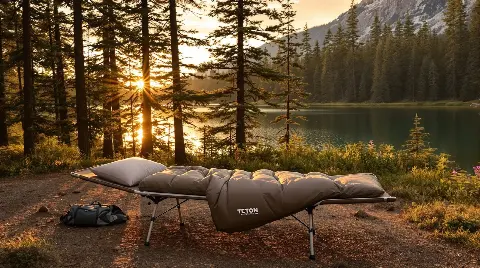
You are trying to buy one sleeping bag shape without waking up cold, cramped, or annoyed at how much space it eats in the trunk or pack. The simple answer is this: choose a mummy bag for colder nights, backpacking, and lower packed bulk; choose a rectangular bag for car camping, restless sleep, and more room. Both shapes have plenty of satisfied owners, but they suit very different trips.
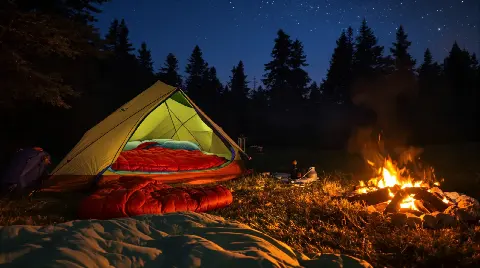
A mummy bag trims extra fabric around your legs and shoulders, then uses a hood and narrower cut to hold warmth closer to your body. Start there. That shape also packs smaller, which matters when every inch in a backpack gets fought over by a pad, stove, food, and spare layers. The snug fit can feel efficient on a cold trail night, but it can also feel tight if you roll around or sleep with one knee kicked out.
A rectangular bag feels more like a bed blanket with a zipper, so you get space to shift, sprawl, and vent heat on mild nights. Pick that shape when the bag rides in a car, van, or gear bin instead of on your shoulders. You give up some heat retention and pack savings, but you gain elbow room, easy layering, and a less confined sleep setup for campground use.
Mummy and Rectangular Bag Picks
If you are weighing fit, warmth, and packing space, these sleeping bags match the shape tradeoffs covered in the guide.
| Product | Why it fits | Price |
|---|---|---|
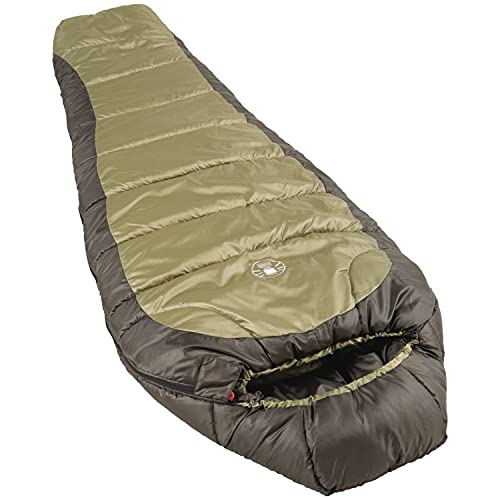 Coleman 0 Degree F Mummy Sleeping Bag
Cold-weather mummy pick Read our review |
Choose this if you want a mummy-shaped bag for colder trips, since it is rated to 0 degrees Fahrenheit and has a hood that seals warmth. | Check price |
 Coolzon Lightweight Backpacking Sleeping Bag
Compact backpacking choice Read our review |
This suits you if you want a bag that compresses small and is light to carry, which helps when pack space matters on overnight trips. | Check price |
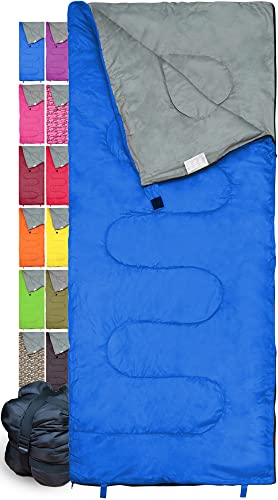 REVALCAMP Sleeping Bag
Roomy rectangular option Read our review |
Pick this if you want a roomy 30 by 71 inch interior and a bag that is quick to pack for casual camping or first-time buying. | Check price |
 Ohuhu Double Sleeping Bag
Convertible two-person bag Read our review |
This fits couples or car campers who want a roomy sleep setup, and it splits into two separate single bags when you need more flexibility. | Check price |
The 60 Second Fit Test Before You Keep the Tag
The 60 Second Fit Test Before You Keep the Tag
Before you clip the tag, test the bag the way your body will actually use it. Lay your sleeping pad on the floor, put the bag on top, then get in wearing clean base layers so the store or return desk has no reason to push back. Zip it all the way, because a half-open bag hides tight spots, especially on a mummy cut with a narrow shoulder and foot box. Do this at home inside your return window, or ask a local shop if you can use a display pad.
- Lie flat for a few breaths with your heels settled into the foot box. Your toes can touch lightly, but the insulation should not flatten hard against them.
- Roll onto your left side, then your right side. The bag should move with you enough that the shoulder fabric does not pull tight or crush loft.
- Bend one knee like you would during the night. A bag with a rectangular shape usually gives you more room here, while a mummy-style bag should still let you make the move without fighting the zipper.
- If the bag has a hood, pull it snug. Check that the fabric cups your head without dragging the shoulder area upward.
- Press a hand over your shoulders and feet from the outside. If you feel thin, flattened spots, you may feel cold there outside.
Stay in the bag long enough to notice pressure, zipper strain, or fabric pulling across your chest. Tight is bad. Close fitting is fine in this style of bag, but compressed insulation at the shoulders or feet is a fit problem, not a break-in issue.
Why Online Reviews Disagree About the Same Bag Shape
Two campers can sleep in the same mummy bag and write opposite reviews because they brought different bodies, trips, and weather to it. A backpacker may love the close cut because it packs smaller and has less empty air to warm, while a car camper who sleeps with one knee out may feel pinned down after ten minutes. Fit changes everything. Broad shoulders, long legs, and restless sleep make a tapered bag feel tighter than the spec sheet suggests.
Review pages also mix cold sleepers, warm sleepers, tall users, kids, and people sleeping on thin pads. Someone who gets cold at home may praise a mummy hood after a frosty night, while another camper in mild weather may call the same hood stuffy. A tall user can hit the footbox and blame the shape, even if a shorter person has room. Kids may like the tucked-in feel one night and fight the zipper the next.
Read the review like a trip report, not a verdict. Look for the writer’s height, shoulder build, sleep style, pad thickness, shelter, and overnight lows before you trust the star rating. Match the reviewer to your own camping style: miles on trail, nights near the car, summer heat, shoulder-season cold, or a habit of rolling from side to side. Stars flatten all of that into one score, and bag shape is too personal for that shortcut.
Choice Points Before You Buy
Sleeping position and movement
Side sleepers and bent knee sleepers usually feel cramped in a tight mummy, since the narrow cut limits knee bend and hip rotation. In a mummy, you roll with the bag; in a rectangular sleeping bag, you can often roll inside it. A semi rectangular cut gives you more knee room without the full bulk of a camp blanket style bag.
Warmth per ounce
Mummy bags hold heat with less insulation weight because there is less empty air around your body. The hood, shoulders and footbox trim cold pockets that steal warmth. A rectangular sleeping bag can reach similar cold weather comfort, but it often needs more fill or bulk because your body has to warm a larger interior space.
Packed size and carry distance
For backpacking, a compact mummy bag usually makes more sense because you carry the bag, pad, shelter, food and water on your back. When camping by car, a larger rectangular bag is fine if it rides in the trunk. Get this wrong and you either haul extra bulk on trail or sleep cramped beside the car.
Temperature rating and real sleep comfort
A 0°F mummy and a 0°F rectangular bag may feel different because fit and dead air space change heat loss. Match the rating to expected lows, your sleeping pad R value and how you sleep. Cold sleepers, restless sleepers and people using thin pads usually need more warmth than the tag alone suggests.
Fit, length and width
Read the size chart before you buy. Check shoulder girth, hip room and length against your body, then add room for sleep clothes if you wear them. Adult bags, youth bags and larger rectangular sleeping bags are different tools, even with the same temperature rating; the wrong size can leave gaps or squeeze insulation flat.
Ventilation and warm weather use
Rectangular bags vent easily because you can unzip them and use them like a blanket. Mummy bags vent through the zipper and hood, and many work well with the top opened, but the shaped cut still feels more enclosed. Hot sleepers often like that freedom during mild nights at camp.
Couples, kids and shared sleeping setups
Double sleeping bags and zip together rectangular bags make sense for couples who want room and easy entry. Two adult sleepers usually need space more than the tightest heat seal. For kids, a youth mummy bag can save warmth and bulk, but an oversized adult bag leaves extra air for a small body to heat.
Can One Sleeping Bag Handle Backpacking, Car Camping and Guest Bed Duty?
You can buy one sleeping bag for backpacking, camping by car, and guest-bed duty, but only if you accept a middle lane. A full mummy-style bag saves pack space and traps heat well, yet it can feel tight on a cot or floor mattress. A wide rectangular bag feels better at camp and in a spare room, but it takes up more trunk space and can be a pain in a backpack.
A semi-rectangular bag is the usual compromise. It gives your knees and shoulders more room than a mummy, while the tapered footbox and hood area cut some bulk compared with a true rectangle. That shape works for relaxed backpacking trips, car-camp weekends, and the guest who does not want to sleep under a pile of random blankets.
It falls short when your trip leans hard in one direction. For long miles, small packs, or cold nights where every bit of warmth and space counts, a mummy-style bag still makes more sense. When camping by car, a roomy rectangular bag, or even a double bag if you share, can feel less fussy because you can roll over, unzip it like a quilt, and use normal bedding with it.
Car campers often end up happier with the larger bag they actually sleep well in.
At big-box stores, climb into the bag if a sample is out, because shelf tags rarely tell you how narrow the shoulders feel. At outdoor shops, ask about shape and packed size instead of chasing the smallest stuff sack. Online, read the listed shoulder, hip, and foot dimensions, then check return rules before you bet on a cut you have never tried.