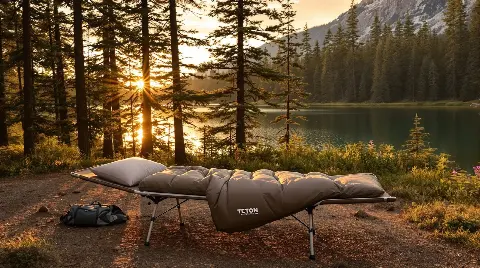
You buy a 30 degree sleeping bag, pack it for a cold night, and still wake up shivering while your buddy sleeps fine in the same weather. That mismatch is real, because the number on the tag does not tell the whole story. Prices in this category run from $19.98 to $164.96, with a midpoint of $39.99. At every budget level, rating claims deserve a closer look before you trust them with your sleep.
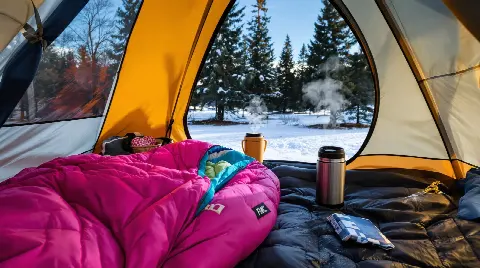
Sleeping bag ratings usually point to one of three numbers: comfort, lower limit, or extreme. Comfort is the temperature where a colder sleeper can usually rest without fighting the bag all night, while lower limit is often aimed at a warmer sleeper curled up and wearing a base layer. Extreme is a survival number, not a plan for a good night out. That matters a lot.
Store listings do not always say which rating they use, and some product pages lean on the lowest sounding number because it sells better. Your pad, clothing, shelter, wind, humidity, food, and how tired you are all change how warm the bag feels once you crawl in. We treat the printed rating as a starting point, then match it against the full listing and the kind of nights you actually camp.
How Much Buffer Should You Add to the Forecast?
Start with the predicted overnight low, then buy colder than that number. For most adults, use the comfort rating if the bag lists one, because the lower limit can feel optimistic after a long day, a damp camp, or a light dinner. Ratings assume a good pad and base layers, so your bag cannot carry the whole sleep system by itself. Give yourself room.
- Summer trips: For a forecast low in the 50s or 60s, a bag rated about 10 degrees colder than the forecast is usually enough. If you sleep cold or camp near water where the air stays wet, push that buffer closer to 15 degrees.
- Shoulder-season trips: For lows in the 30s and 40s, choose a rating about 15 to 20 degrees colder than the forecast. Spring and fall forecasts swing fast, and one clear night can bite harder than the app says.
- Freezing trips: When the low is near or below 32 degrees, start with at least a 20 degree buffer. For winter, exposed alpine camps, or trips where a cold mistake has consequences, go 25 to 30 degrees colder than the predicted low.
Cold sleepers should add another 5 to 10 degrees beyond those ranges. So should anyone sleeping in high humidity, on snow, on a ridge, or in a drafty shelter. Wind does not change the bag rating, but it steals heat from your tent, your pad edges, and any gap around your hood.
Kids need more margin than adults because they kick off layers, slide off pads, and often do not speak up until they are already chilled. For a child, pick at least 10 degrees more buffer than you would choose for yourself, and check that the bag fits closely enough to avoid a big pocket of cold air at the feet. A warm hat helps, too.
Cold-Weather Bag Picks
If you are comparing real camp-night warmth, these bags fit different cold-weather setups from solo winter trips to shared sleeping space.
| Product | Why it fits | Price |
|---|---|---|
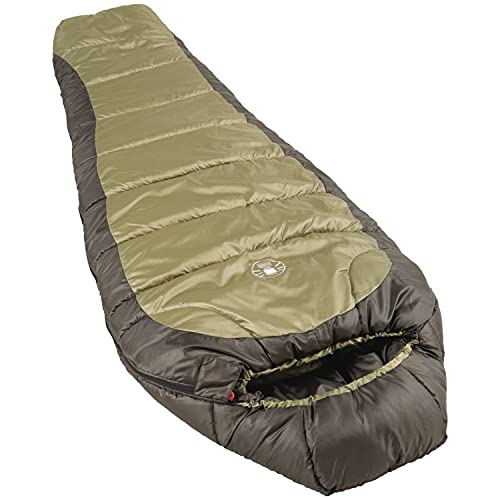 Coleman 0 Degree F Mummy Sleeping Bag
Zero-degree mummy pick Read our review |
Choose this when your guide points you toward a very cold night and you want a mummy bag rated to 0 degrees Fahrenheit with a hood that seals in warmth. | Check price |
 Teton Mammoth 0 Degree Double
Roomy double-bag option Read our review |
This suits families or partners who want a queen-size double bag with a soft poly-flannel lining and zippers on each side for easier entry and exit. | Check price |
 Tuphen Sleeping Bag
Weather-resistant four-season bag Read our review |
Pick this if your camping notes include wind or rain, since it has a windproof and water-resistant shell and a double-filled construction for four seasons. | Check price |
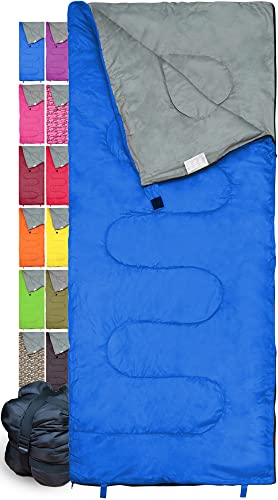 REVALCAMP Sleeping Bag
Light casual-camping choice Read our review |
This works when you want a very light bag that is quick to pack and has a roomy 30 by 71 inch interior for casual camping. | Check price |
How to Read an Old Bag with No Clear Rating
Old sleeping bags often hide their useful info in plain sight. Thrifted Coleman bags, inherited military mummy bags, Marlboro promo bags, Suisse Sport models, and store-brand square bags may carry a vague tag that says “camping bag” or gives a temperature range with no test standard. Start with the label. Treat the printed rating as a clue, not a promise, until you know what the bag is and how it has aged.
Look along the inside seam near the zipper foot, the draft tube, and the head end, since many makers sew the care tag where it rubs less. Flip the stuff sack inside out and check for a paper hangtag, a sewn-in white tag, or a faded ink stamp. Coleman and Suisse Sport bags often use model names, style numbers, stock numbers, or short product codes instead of a clear cold-weather rating. Military bags may have contract numbers, NSNs, size marks, date stamps, and words like patrol, intermediate, or extreme cold. Promo bags may only show the brand art, so search the whole shell for a small tag before you give up.
- Model name: Check near logos, zipper pulls, and stuff sacks.
- Style number: Copy letters, dashes, and zeros exactly as printed.
- Care tag: Look for fill type, fabric, country of origin, and date clues.
- Military markings: Record the full contract line or NSN before you search.
Once you find numbers, search the exact phrase with the brand name. Reseller listings can help identify a bag, but do not treat a random title as proof of a real temperature rating. A clean catalog page, manual, or manufacturer archive carries more weight.
Lay the bag flat for several hours and look at the loft before you trust it in cold weather. Good insulation lifts evenly and does not feel like a blanket with empty lanes. Flat zones, clumps, oily patches, or fill that slides away from your body mean the bag has lost warmth.
Smell matters. Mildew, fuel, heavy perfume, mouse odor, and old smoke can point to storage problems that washing may not fix. Check the shell and liner for melted spots, torn seams, zipper gaps, and thin fabric around the feet and shoulders. Test the bag on a mild night close to home before you take it into real cold.
The Details That Change How Warm a Bag Feels
Comfort, Lower Limit and Extreme Ratings
Comfort is the temperature where many sleepers can rest normally. Lower limit is colder and often assumes a warm sleeper curled tight, while extreme is an emergency number, not a camping target.
If you sleep cold, shop by comfort rating. Treat lower limit as a risky edge for casual trips, especially after a long day when you are tired and damp.
Expected Nighttime Low, Not Daytime Weather
Check the overnight low for your exact campsite, not the sunny daytime forecast in town. Elevation, shade, river bottoms and wind can push a site colder than the nearest weather app point.
Pick a bag rated below the forecast instead of matching the same number. A 30°F bag for a 30°F low leaves no room for error.
Sleeping Pad Insulation
Your sleeping bag compresses under your body, so the ground can pull heat straight through a warm bag. A pad with the right insulation blocks that loss.
On cold ground, pad warmth can matter as much as the bag rating. Check the pad’s R-value, and do not pair a winter-rated bag with a thin summer air pad.
Bag Shape and Dead Air Space
Mummy bags hold heat well because they trim extra space around your shoulders, legs and feet. Semi-rectangular bags give you more room with some heat penalty, while rectangular bags feel roomiest and usually sleep colder.
Roomy bags make your body warm extra air before the insulation can help. If you toss all night, pick enough space to move without buying a bag much larger than your body.
Fill Type, Loft and Age
Down and synthetic fills both work by trapping air in loft. Once the loft stays crushed, the temperature rating on the tag gets less useful.
Be careful with older bags labeled Hollofil, Quallofil, Polarguard or with no fill listed. If the insulation looks flat, clumped or thin at the shoulders and hips, assume the original rating no longer applies.
Your Sleep Habits and Clothing
Your body changes the rating more than the label admits. Cold sleepers should choose extra buffer, while warm sleepers may be comfortable closer to the listed comfort rating.
Wear dry base layers, clean socks and a hat when temperatures drop. Do not count on clothing to turn a light summer bag into a shoulder-season sleep system, because compressed layers and damp fabric can disappoint fast.
Can a Liner or Extra Clothes Raise a Bag Rating?
Yes, a liner or extra clothes can add warmth, but they do not rewrite the temperature rating on the tag. The gain depends on the liner material, your sleep pad, bag fit, wind exposure, humidity and how warm you sleep. Treat liners and clothing as backup warmth, not a full bag upgrade.
- Silk liners feel light, pack small and help keep the inside of the bag cleaner. They add a little comfort, but they are not the fix for a cold night.
- Fleece liners feel warmer and bulkier. They can help in shoulder season, but they also take up more pack space and can bunch around your legs.
- Insulated liners add more warmth than thin fabric liners, but they still depend on loft and space inside the bag. If the liner or your clothing makes the bag tight, you can crush the bag insulation and lose warmth.
Dry base layers are usually the smartest first move. Sleep in clean long underwear, dry socks and a hat or beanie if your head gets cold outside the hood. Keep them dry. Damp hiking clothes pull heat away from your skin, even if they feel warm when you crawl into the bag.
A summer bag has real limits. You can stretch comfort on a cool night with a liner, dry layers, socks and a hat, but trying to push a light summer bag into freezing weather is a bad plan. At that point, your pad and shelter matter, but the bag still has to be built for the cold you expect.