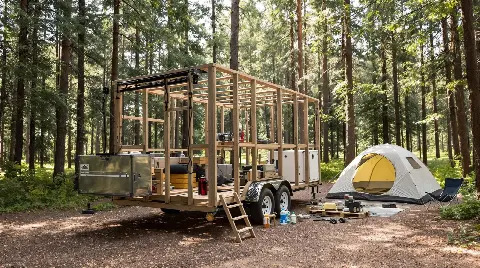
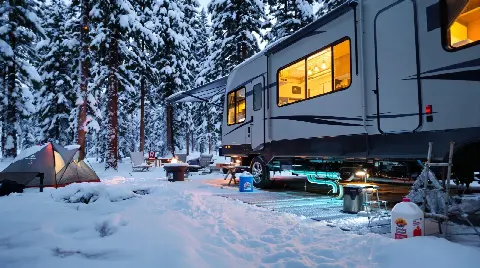
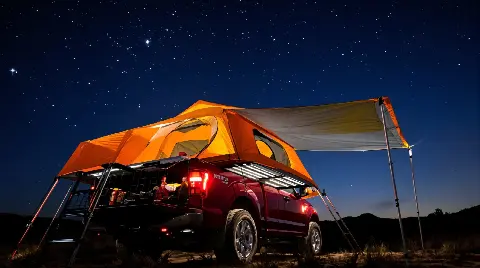
If your site has no spigot, sewer connection, or power pedestal, you are dry camping: camping without water, sewer, or electrical hookups at your site. It can happen at a national forest pullout, a state park loop, a desert boondocking spot, or a regular campground with primitive sites. You bring what you need and you leave without dumping gray water on the ground or borrowing power from somewhere nearby.
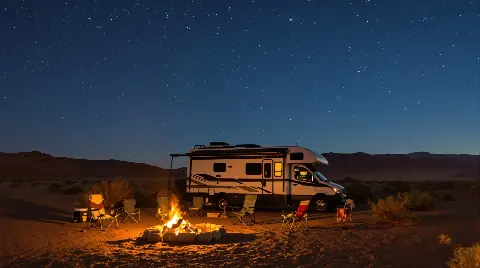
The term applies to RVs, vans, and tents, but the work looks different for each setup. An RV camper watches fresh, gray, and black tank levels along with battery charge and generator rules. A van camper may have a smaller water jug, portable toilet, cooler, and solar panel to manage. Tent campers still dry camp when the site has no hookups, even if the whole system is a water container, stove, lantern, and trash bag.
Planning starts with shelter type, tank capacity, power needs, weather, and campground rules. Cold nights drain batteries faster, hot weather raises water use, and some campgrounds limit generator hours or ban them in certain loops. Check where you can refill water, dump waste, charge devices, and pack out trash before you book, because dry camping feels simple only when your basic needs fit the site.
How Long Can You Dry Camp Before You Need to Move?
You can dry camp until the first part of your setup runs out: fresh water, battery power, toilet space, food storage, or safe weather. There is no universal stay length because a small trailer, a big RV, a tent setup, and a family with kids all burn through supplies at different rates. Start with the thing you use fastest at home, then shrink that expectation because dry camping removes easy refills and plug-in power. Start there.
- Water: Count drinking, cooking, dish washing, hand washing, pets, and quick rinses. Gray water storage matters too, since every gallon you use has to go somewhere.
- Battery: Lights, fans, furnace controls, water pumps, fridges, device charging, and medical gear all pull power. Cold nights often mean more furnace use, and a furnace can drain a weak battery faster than you expect.
- Toilet capacity: Black tank space or cassette toilet size can end a stay before food or water runs out. Some campers stretch this with campground vault toilets, but only plan on that if you know they are open and usable.
- Food storage: Dry food is easy to pack, but fridge space, ice life, bear rules, and trash storage can set the real limit. Hot weather makes this tighter.
- Weather: Heat pushes water use and fridge demand. Cold pulls battery through the furnace. Wind can affect awnings, solar charging, and comfort.
A simple plan is to list each limit, write down how long that one item usually lasts for your crew, then treat the shortest item as your move day. Build in a buffer, especially if the road out is rough, rain is coming, or you are camped far from services. After each trip, note what ran low first and adjust the next stay. Your own notes beat any online answer.
Dry Camping Water and Power Picks
If you are camping without hookups, these gear options can help you manage water, power, and basic sanitation on night one.
| Product | Why it fits | Price |
|---|---|---|
 Camco portable toilet 5.3-gallon
Portable toilet option Read our review |
This suits dry sites where you want fewer dump runs, since the 5.3-gallon detachable holding tank and sealing side valve help manage waste and odors. | Check price |
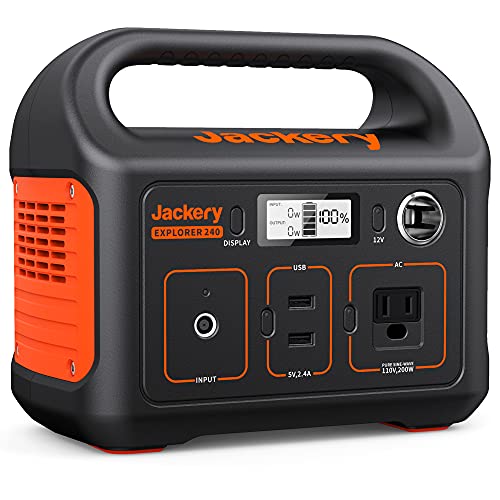 Jackery Portable Power Station Explorer 240
Phone charging backup Read our review |
This fits road trips and car campers who need to charge phones or laptops, with a solar-ready design and a pure sine wave AC outlet. | Check price |
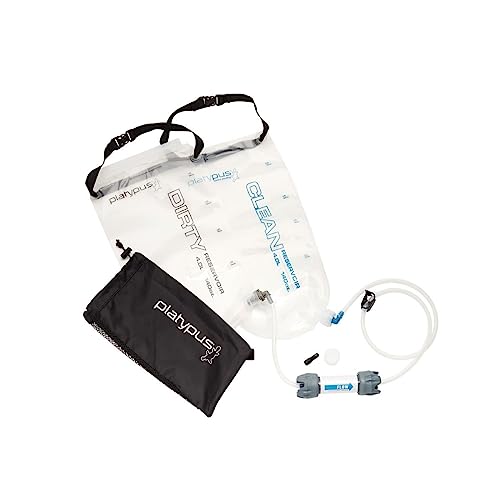 Platypus GravityWorks 4-Liter Filter System
Group water filter Read our review |
This works well when you are sharing water with a group, because the gravity-fed 4-liter system fills bottles quickly without pumping or squeezing. | Check price |
 Advanced Elements Summer Shower 5 Gallon
Solar rinse shower Read our review |
This is a good match for dry camping cleanup, since the 5-gallon capacity and solar warmth can cover rinsing legs, feet, and camp mess. | Check price |
What Does an RV Dry Camping Package Usually Mean?
An RV dry camping package is a factory or dealer bundle aimed at camping without hookups. The exact parts change a lot, so the phrase can mean anything from a few prewired items to a bigger group of off grid components. You may see it listed on a window sticker, dealer ad, order sheet, or brand brochure.
Common items include extra battery capacity, solar prep, roof solar panels, a charge controller, an inverter, larger fresh water or holding tanks, and propane features tied to cooking, heat, or refrigeration. Some packages add wiring for future upgrades instead of the actual panel or battery, so a rig can be “solar ready” without sending charge into the batteries on day one. Others may include generator prep, upgraded converter equipment, battery disconnects, tank heaters, outside shower parts, or monitor panels that help you track power and water while you camp away from shore power.
Read the build sheet. Package names are marketing labels, and the contents can vary by floor plan, trim, production year, dealer order, and midyear changes. Jayco dry camping packages are a good example: one Jayco model year or floor plan may list a different mix of solar prep, battery equipment, tank features, or propane gear than another Jayco with a similar name. Ask for the exact option codes and included parts for that VIN or stock number, then match the list to the gear you see on the unit.
What You Need Before You Camp without Hookups
Water for Drinking, Cooking, and Washing
Dry camping means no water hookup, so your supply is whatever you bring or carry to the site. RV fresh tanks, water jugs, and nearby spigots change the plan, but dishwashing, handwashing, pets, coffee, and hot weather drain water faster than most new campers expect.
Run short and you either ration, break camp for a refill, or skip washing that you should not skip.
Power for Lights, Fans, Fridges, and Phones
Dry camping also means no shore power. A phone charge barely nicks a battery, while an RV furnace fan, vent fan, CPAP, or 12 volt fridge can pull power all night.
Solar can refill batteries in sun, and generators can help, but quiet hours and campground rules may shut them down. If you guess wrong, warm food, dead lights, and a cold night show up fast.
Waste Tanks, Trash, and Bathroom Plans
RVs carry waste in black and gray tanks, so tank size sets your stay as much as food or fuel. Sewer access matters at the end, because a full gray tank stops sink and shower use, and a full black tank is a hard stop.
Tent campers need a bathroom plan too. Use campground toilets where offered, wag bags where required, and pack out trash before animals find it.
Heat, Cold, and Ventilation
Weather decides how easy dry camping feels. Hot nights call for shade, airflow, and enough battery for fans, while freezing temps can mean propane heat plus battery power for the furnace fan.
Close everything tight and condensation can wet bedding, walls, and windows by morning. Pick shade in heat, block wind in cold, and crack vents enough to move damp air.
Site Rules and Access
A dry camping site can still sit inside a campground with bathrooms, picnic tables, trash service, and a host. Dispersed camping may mean no toilets, no water, no dumpster, and a rough road to the spot.
Check fire rules, stay limits, generator hours, and vehicle access before you go. A low car, long trailer, or muddy road can turn a legal site into a bad plan.
Food Storage and Cooking Without Shore Power
Match food plans to trip length and distance from town. Coolers need enough ice life for the stay, RV fridges need battery or propane depending on the model, and propane stoves keep meals simple without shore power.
Campfire cooking only works where fires are legal. In bear country, use required lockers, canisters, or hard sided storage, and keep scented trash with the food plan.
Dry Camping in Texas and California: What to Check Before You Go
Dry Camping in Texas and California: What to Check Before You Go
Texas and California both reward planning, but they ask different things from your rig and your route. Texas has plenty of private land, so you need clear permission, reservations, or a valid pass before you set up. California gives you more public land options in many areas, but you still need to check the agency, stay limits, road rules, fire rules, and permit requirements before you park.
Heat hits hard in both states. Shade matters. In Texas, humid heat can make a quiet site feel rough by midafternoon, while California deserts can swing from hot sun to cold nights and hard wind. Carry more water than you expect to use, and do not count on a spigot unless the land manager or host confirms one.
A California campfire permit may be required for flame use on some public lands, even for a stove.
Coastal dry camping is tighter, especially in California. Overnight parking near beaches, pullouts, and scenic roads is often limited or banned, and city rules can change block by block. Desert sites add different problems: soft sand, washboard roads, flash flood washes, weak cell service, and long gaps between fuel stops.
Dump stations, potable water, groceries, propane, and repair help may sit far from the site. Before you leave pavement, know where you can legally dump, where you can refill, and whether your next stop is open during the season. Save offline maps, tell someone your plan, and leave enough daylight to turn around if the road gets worse.