CampingKnow is reader-supported. When you buy through links on our site, we may earn an affiliate commission at no extra cost to you. Learn more.
You buy the lightest burner because the scale tells a clean story, then dinner tells a messier one. The products compared here carry 14,471 customer reviews between them. A tiny screw-on stove can feel great in your hand and still get fussy under a full pot, jumpy in wind, or weak at the low flame you need for rice, eggs, or a freezer bag meal with cheese, oil, and extras stirred in.
Backpacking stove choice comes down to the food you actually make, the weather you expect, and how much patience you have before the first sip of coffee. Cold mornings expose weak gear. A fast boil matters, but so does control when the pot is full and the air is moving. Canister stoves, integrated systems, and ultralight burners all have a place: one might simmer better, one might boil water fast, and one might disappear in a small cook kit for long miles, so you can match the stove to real trail meals, quick lunches, shared pots, or solo overnights instead of guessing from weight alone.
MSR PocketRocket 2
At 2.6 ounces and 2x2x3 inches packed, the MSR PocketRocket 2 is easy to justify in any backpacking kit. It boils 1 liter in 3.5 minutes, adjusts from simmer to full boil, and needs no priming or pressurizing. A 4.8 rating from 4,200 reviews backs up the pick.
Check price on AmazonTrail Stove Picks at a Glance
| Rank | Product | Best for | Price |
|---|---|---|---|
| #1 | MSR PocketRocket 2 | Overall | Check price |
| #2 | SOTO WindMaster with 4Flex | Windy weather | Check price |
| #3 | MSR PocketRocket Deluxe | Premium | Check price |
| #4 | BRS 3000T Titanium Stove | Lightest | Check price |
| #5 | BRS 3000T Stove | Budget ultralight | Check price |
| #6 | Fire-Maple Greenpeak 1 | Budget with igniter | Check price |
| #7 | Jetboil MiniMo | Cooking control | Check price |
Can You Actually Cook Dinner on These, or Only Boil Water?
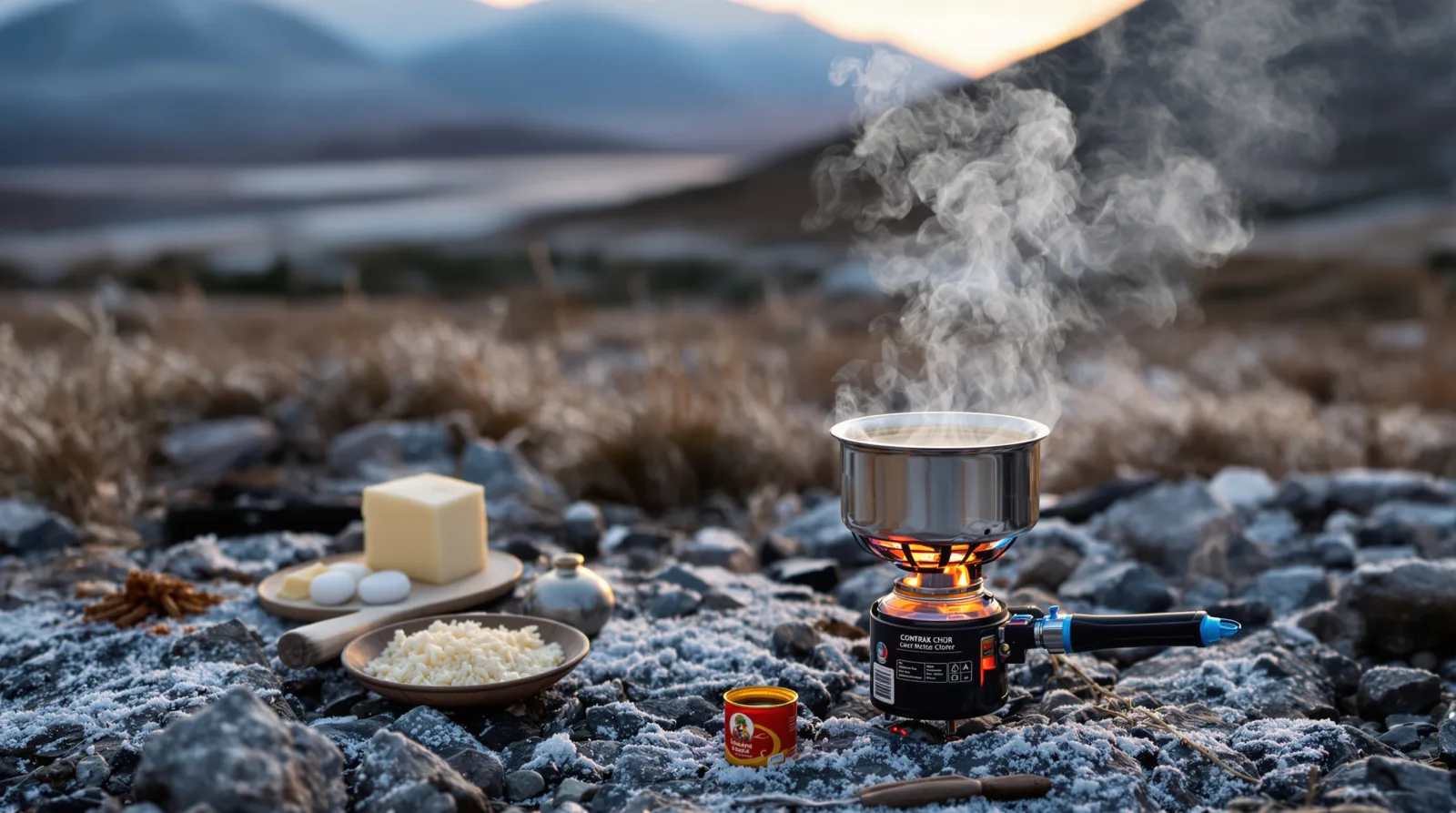
Can you actually cook dinner on these, or only boil water? Yes, but each stove has a lane. Some are best treated as hot-water tools, some can handle simple meals in a small pot, and a few give you enough control to cook food that can scorch. Plan your menu around that, and the stove makes more sense in your pack.
Water boilers: integrated canister systems and ultralight setups are the cleanest fit for instant coffee, tea, oatmeal packets, and dehydrated meals. You heat water, pour it into a pouch or mug, and eat without babysitting a flame. Couscous also works here because it can soak after the water comes off the stove.
Light meal burners: small upright canister stoves give you more room to cook in a pot, as long as you keep the meal simple. Ramen, instant rice, boxed mac, and soup mixes are fair targets. Stir often, keep the heat modest, and expect thin pots to make sticky meals more touchy.
Better cooking stoves: stoves with a wider burner pattern or steadier low flame are the ones we reach for if dinner involves eggs, fish, tortillas, or anything that needs more than boiling and soaking. A real pan helps, too. You can fry or sauté on trail, but you need patience and a meal that forgives a small burner.
No backpacking stove turns a tiny pot into a home kitchen. For most trips, boiling water covers breakfast and dinner. If your food bag includes fresh eggs, trout, or oil in a little bottle, pick from the cooking group instead of the pure boiler group.
Seven Stoves Worth Packing
2.6 ounces is the number that puts the MSR PocketRocket 2 at the front of this list. It folds to 2x2x3 inches, rides in a hard shell case, and still opens into serrated pot supports that handle a range of pot shapes. Setup is simple. You thread it onto an isobutane-propane canister, skip priming and pressurizing, then turn the flame from simmer to rolling boil.
On trail, it fits the way most people actually cook: coffee, freeze-dried meals, MRE water, and small-pot dinners for one or two hikers. MSR rates it at 3.5 minutes for one liter, and reviewers keep calling out how packable and easy it is after moving from campfire cooking. Bring wind protection for exposed sites, since one beach user had trouble lighting it in wind. Large groups and wide pans should move to a roomier setup.
Pros
- 2.6 oz stove, 2x2x3 in folded size
- MSR rates it at 3.5 minutes to boil 1 liter
- Adjustable flame goes from simmer to rolling boil
- No priming, preheating, or pressurizing
Cons
- Wind can make lighting harder at exposed sites
- Fuel canister is not included
Gusts across an alpine saddle or a sandy beach are the kind of trips the SOTO WindMaster with 4Flex is built for. Its regulated burner is meant to keep output steady in windy, cold, or gusty weather, and reviewers say it resists blowing out in rough wind. It weighs 67 g, or 2.3 ounces.
The burner uses compatible butane, isobutane, and propane gas mixtures, with isobutane listed as the fuel type. A stealth igniter sits in the burner post to help ignition and protect the spark parts from breakage. One reviewer notes the stove fits in a Toaks 750ml pot, and another calls it quiet despite the listed 11,000 BTU output.
Choose it for solo or light two-person trips where wind is common and you still want a tiny canister stove. Keep the base out of sand, keep the canister cap on during transport, and do not use 100% propane. Trips built around that fuel need a different stove.
Pros
- 67 g, or 2.3 oz, for a very light packed stove
- Regulated output for windy, cold, or gusty conditions
- Stealth igniter sits inside the burner post for protection
- Reviewer notes it fits inside a Toaks 750ml pot
Cons
- 100% propane is prohibited
- Base and valve system need clean handling, especially around sand
At 2.9 ounces, the MSR PocketRocket Deluxe weighs more than the PocketRocket 2. Ounce counters who already carry a lighter may prefer the simpler stove. You get real trail value for that weight: push-start lighting, a protected igniter, and a pressure regulator for colder weather and low fuel.
Cooking feels calmer than with many tiny burners because the broad burner improves wind resistance and gives you more control at a simmer. MSR rates it at 3.5 minutes for one liter, and one reviewer says the flame went low enough for hash browns in a titanium pan without burning them. Pick it for trips where you cook actual food as well as water, or for shoulder-season miles where canister pressure can fade. Minimalists who want the lightest MSR option can stay with the PocketRocket 2.
Pros
- Built-in push-start lighting with a protected piezo igniter
- Pressure regulator helps in colder weather and with low fuel
- Broad burner improves wind resistance and simmer control
- MSR rates it at 3.5 minutes to boil 1 liter
Cons
- 2.9 oz is heavier than the PocketRocket 2
- Fuel canister is not included
Compared with the stove just above it in our ranking, the BRS 3000T Titanium is the gram-counter move. You give up the broader feature set we want from a higher-ranked all-around stove, which matches the maker’s own note that it suits trips where weight and size matter more than certain functions. You get a burner listed at 26g, with the detail table showing 27.22g.
Trail use here should stay simple: boil water, make coffee, rehydrate dinner. One reviewer uses it only to bring 16 oz of water to a boil, while another says the valve and flame control worked cleanly on an 8 oz canister. Tiny matters.
The specs call out a 1940W output, LPG fuel, compact 1.18 x 1.18 x 1.97 inch dimensions, and a bright green pouch. Pick it for solo ultralight trips, not a big-pot camp kitchen.
Pros
- Extremely light, listed at 26g by the maker and 27.22g in the detail table
- Very compact body with included bright green pouch
- Smooth flame adjustment, with reviewers reporting clean valve control
- Manufacturer says it can boil 1L of water in about 2 minutes, 58 seconds
Cons
- Best suited to simple water boiling rather than full trail cooking
- Manufacturer notes it gives up certain functions to save weight and size
Reviewers put this BRS 3000T Stove in budget ultralight territory, and the review count gives you the cleanest signal we have for this ASIN: 4.5 stars from 866 reviews. That points to a stove people keep buying for light, inexpensive canister cooking. We would treat it as a spare or stripped-down trail burner rather than the stove you choose for careful meal work.
The spec check is thin because the supplied data for this exact listing does not include weight, dimensions, fuel type, ignition style, or pot support details. Do not assume every 3000T listing matches another ASIN without checking the seller page before a long trip. For a buyer guide, this one fits hikers who want the budget ultralight slot and can verify the missing details before packing it.
Pros
- Strong review base for the category, with 4.5 stars from 866 reviews
- Fits the budget ultralight role in the lineup
- Good candidate for a backup stove if you confirm the listing details first
Cons
- Supplied data for this ASIN lacks weight, dimensions, fuel type, and ignition details
- Poor fit for shoppers who need confirmed pot support and simmer information before buying
Choose the Fire-Maple Greenpeak 1 for the trip where you want a small canister stove with push-button lighting and a little more hand-friendly hardware than the bare-minimum ultralight burners. It makes sense for short backpacking trips built around hot drinks and 1L water boils. One reviewer reports 1L in about 3 minutes at 3000 ft.
The spec sheet puts it at 85g, or 3 oz, with folded dimensions of 2.1 x 2.8 inches. The detail table lists 4.2 x 4.2 x 3.3 inches, isobutane fuel, gas power, and stainless steel material. Reviewers call it light, compact, easy to use, and say the piezo ignition works well.
You carry more weight than a BRS burner, but you get an igniter and adequate pot support according to review feedback. This is the budget pick for hikers who hate fishing for a lighter before coffee.
Pros
- Piezo ignition, with reviewers saying it works well
- 85g weight keeps it backpacking friendly
- Folds to 2.1 x 2.8 inches per the manufacturer specs
- Reviewer reported 1L of water boiling in about 3 minutes at 3000 ft
Cons
- Heavier than the BRS ultralight options in this list
- One reviewer says the first light produced a huge flame and loud boom
Backpackers who cook real meals after the water boils buy the MiniMo for control, and many undersell it as a water heater. Its regulated burner gives incremental heat adjustments from a light simmer to a full boil, so sauces, greens and oatmeal are easier to manage than they are on a basic upright canister stove. The FluxRing system reaches a rolling boil in just over two minutes while using half the fuel of traditional systems, according to Jetboil.
The cup is built for eating from, with metal handles and a low spoon angle that feels better at camp than tall, narrow boil cups. Pushbutton ignition keeps matches packed away, and the sideways burner storage helps the kit nest cleanly. Larger groups and wide-pot cooks may want a different setup, since this is centered on a personal cooking cup, even though a pot support is included.
Pros
- Regulated burner adjusts from light simmer to full boil
- FluxRing system reaches a rolling boil in just over two minutes
- Metal handles and low spoon-angle cup work well for eating from the vessel
- Includes lid, bottom cover, fuel can stabilizer and pot support
Cons
- Personal cup format is less suited to larger group meals
- JetPower fuel is sold separately
Stove Choices That Matter After Mile Ten
Canister Fit and Fuel Availability
Most picks here run on threaded isobutane backpacking gas canisters, the squat metal cans you see in gear shops. New buyers often hear propane and grab the wrong camp cylinder; backpacking canisters use a different valve and fuel blend.
Before you fly or cross a border, check fuel rules. Airlines do not let you pack filled canisters, and some countries stock different brands or valve types.
Pot Stability with Real Food Inside
Small burner heads and narrow pot supports work fine for boiling water in a mug pot. Once you stir noodles, rice, or sauce in a wider pot, the load shifts and a tippy stove gets old fast.
Solo hikers can often live with a compact setup. Couples and family backpackers should look for broader supports and a flame pattern that reaches more of the pot bottom.
Wind Behavior without a Full Kitchen Setup
An exposed burner can chew through fuel in gusts because heat blows past the pot instead of into dinner. Stove design, pot shape, and campsite choice all matter; a low spot behind a rock can save more fuel than a louder burner.
Do not wrap a canister stove in a tight windscreen. Trapped heat can overheat the canister, which is a serious safety problem.
Flame Control for More than Boiling Water
Simmer control matters if you cook trout, oatmeal, ramen with extras, rice packets, or backcountry coffee instead of only boiling water. Look at stoves in the Jetboil MiniMo and MSR PocketRocket Deluxe style when you want a valve that responds to small turns and holds a low flame.
Thin pots still scorch food if you stop stirring.
Pack Weight Versus Pack Fuss
Tiny burners such as the BRS 3000T cut pack weight and take almost no room, but you give up comfort. Expect smaller controls, less wind help, and more care with cookware choice.
Integrated kits add pot matching and often feel simpler at dinner. More stable stoves cost you bulk in the food bag, yet they are calmer with a real pot on top.
Cold Weather and Altitude Limits
Cold weather can drop canister pressure, so a stove that feels quick on a summer trip may sputter on snow or a high pass. Most listed picks are three season choices.
Winter backpackers should consider an inverted canister setup or a liquid fuel stove, since those designs handle cold fuel delivery better than a standard upright canister burner.
When a Wood Stove or Hot Tent Stove Is the Wrong Answer
Backpacking wood stoves, titanium wood burners, and tent stoves get plenty of search traffic because the idea sounds clean: burn sticks, save canister fuel, carry less. On real trails, they often turn a simple dinner into a fire-management chore. A titanium box can be light, but it still needs legal flames, dry fuel, airflow, and a place where sparks will not start trouble.
- Fire bans: Many burn bans cover wood stoves, twig stoves, and open-flame cooking. A canister stove may still be allowed, but you need to check the current land-agency rule before you pack.
- Soot and mess: Wood burners blacken pots fast. That soot rubs onto stuff sacks, hands, and pack fabric unless you carry a separate dirty bag.
- Wet fuel: Rain-soaked sticks are slow to catch and hard to keep hot. You can spend more time feeding the fire than cooking the meal.
- Smoke: Small wood stoves smoke when fuel is damp, airflow is poor, or the fire is overloaded. Smoke follows you.
- Indoor danger: Do not run a wood stove, alcohol stove, or canister stove inside a normal backpacking tent. Carbon monoxide, flame contact, melted fabric, and flare-ups are all real risks.
A tent stove with a stove jack is a hot tent camping setup, usually for cold-weather base camp use with the right shelter, pipe, floor plan, and ventilation. It does not belong in a standard backpacking tent, and it is a poor fit for quick trail cooking after a long day.