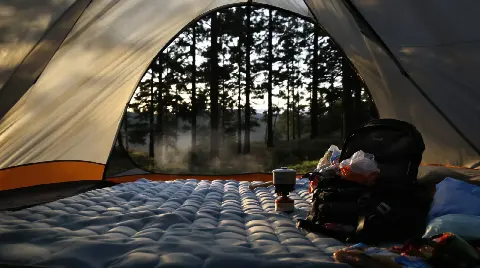
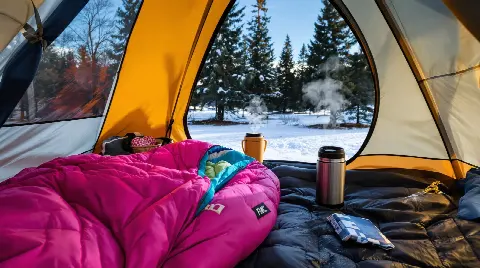
You are staring at a wet forecast, a tight pack, and a sleeping bag choice that can shape the whole trip. Down wins when you need low weight, a small packed size, and years of loft from a bag you keep dry and store right. Both fills have plenty of happy owners, so this comes down to where you camp, how you pack, and how much abuse the bag sees.
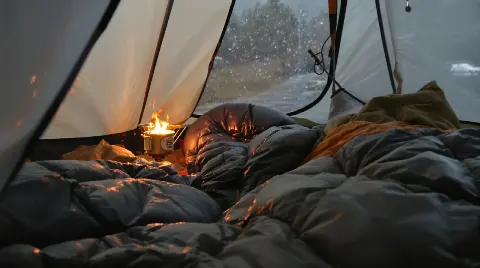
Pick down for backpacking miles, cold dry nights, and trips where every saved ounce helps your legs on the climb. It compresses better than synthetic fill and can last a long time with careful washing, loose storage, and real effort to keep moisture out. Dry matters. Pick synthetic for damp forests, paddling trips, loaner gear, kids, car camping, and tighter budgets, since it handles wet conditions and rough treatment with less fuss.
We will compare warmth, weight, packed size, moisture performance, care, cost, and lifespan without pretending one answer fits every camper. Your best fill is the one that matches your weather, shelter, pack space, and patience for maintenance. Simple enough.
Why Your Down Jacket or Duvet Experience Can Lead You Wrong
Your favorite down jacket can make down feel simple: warm, light, and easy to pack. A synthetic jacket can do the same thing from the other side, since it may feel forgiving after sleet or sweaty climbs. That jacket experience misses a few things a sleeping bag has to handle. In a jacket, your core keeps feeding heat into the fill while you walk, cook, or haul water, and air movement can help damp fabric dry once the sun hits it.
A sleeping bag has a harder night. You climb in, breathe nearby for hours, and push body moisture into the insulation while the shell sits against a pad, tent wall, or bivy. By morning, that bag may go straight into a stuff sack, then stay packed until the next camp, so moisture has less time to leave. Small differences build up over a trip.
Home bedding can steer you wrong too. A down duvet lives on a bed in a dry room, with house air, open space, and no wet boots, frozen ground, or tent condensation nearby. A down alternative comforter also gets judged in a setting where weight and packed size barely matter, and the fill is not being crushed into a pack every morning. Your bedroom tells you how a material feels in clean, stable air; a tent floor adds pressure, humidity, and fewer drying windows.
Down and Synthetic Bag Picks
If your trip calls for the fill type that matches moisture, cold, and packability, these sleeping bags cover the main situations in this guide.
| Product | Why it fits | Price |
|---|---|---|
 Kelty Cosmic Synthetic 40
overall |
Choose this for backpacking trips where you want a compact, lightweight synthetic bag and do not need deep cold protection. | Check price |
 Kelty Cosmic 20 Down
premium |
This fits backpackers and campers looking for a down mummy bag with 550 fill power and recycled fabrics for cooler trips. | Check price |
 MalloMe Sleeping Bag
budget |
Use this when you want a lower-cost sleeping bag for camping or backpacking and do not need a specialized fill type. | Check price |
 Naturehike 650FP Down
lightest |
This suits three-season backpacking when you want an ultralight down bag rated for colder shoulder-season nights. | Check price |
 Teton Celsius Regular
cold-weather |
Pick this for colder camping, hunting camps, or family trips when you want an all-weather bag with temperature options and a travel sack. | Check price |
What Actually Gets a Sleeping Bag Wet?
Down and synthetic bags get wet from the same places. Rain that sneaks into your pack is the usual first hit, especially during a long walk in steady weather. Use a pack liner or a dry bag inside the pack, then keep the sleeping bag low and wrapped before anything else goes in.
- Wet ground: A tent pitched in a low spot can collect water under the floor. Pick higher ground, avoid obvious drain paths, and use a groundsheet that does not stick out past the tent body.
- Tent wall contact: A bag that presses against a damp wall or footbox panel can wick moisture through the shell. Stake the tent cleanly, keep gear from shoving the bag into the fabric, and give your head and feet a little space.
- Breath frost: Cold nights turn breath into frost on hoods, collars, and tent walls. Do not breathe into the bag, crack vents when you can, and aim your face opening away from the fabric above you.
- Damp base layers: Hiking layers can feel only a little clammy, then push moisture into insulation all night. Pack dry sleep clothes and socks, even if they are thin.
- Spilled water: A loose bottle cap or half-open hydration bladder can soak a bag fast. Keep water outside the sleeping area or upright in a corner, and check caps before lights out.
- Sweat: Overheating wets a bag from the inside. Vent early, loosen the hood, open the zipper, or drop a layer before you wake up sweaty.
Synthetic fill handles wet mistakes better than down, but prevention still matters. A few dry habits at camp keep either bag warmer through the night.
The Fill Details That Change Your Night
Warmth for the Weight in Your Pack
Down usually gives you more warmth for less listed weight, and it squeezes into a smaller stuff sack. That matters most on backpacking routes and long carries, where an extra bulky bag can force a larger pack or leave less room for food, layers, and water.
Wet Weather, Condensation, and Drying Time
Synthetic insulation keeps more useful loft when it gets damp from rain, tent condensation, wet clothes, river spray, or humid forest air. Down needs tighter habits: use a dry bag, keep it away from wet tent walls, and dry it carefully, or the loft can collapse and the night gets colder.
Packed Size and Trip Length
Check the packed size on the listing against your backpack volume, food carry, and bulky winter gear. Down has the edge in tight packs, while synthetic makes more sense in a larger backpack, pulk, canoe, or car trunk where space is less of a fight.
Temperature Ratings and Real Sleep Comfort
Do not compare fill type by itself; compare the temperature rating, bag cut, draft collar, hood fit, pad R-value, and the base layers you sleep in. Get the pad or cut wrong and a warm-rated bag can still feel cold, especially at the hips and shoulders.
Durability, Loft Loss, and Long-Term Value
Good down can last for many years if you store it loose, wash it correctly, and avoid crushing it between trips. Synthetic insulation is simpler to loan out and easier to live with, but repeated compression tends to flatten it sooner, so check how often you pack it tight.
Cost, Repair, and Beginner Margin for Error
Synthetic often fits first sleeping bag buyers, scout trips, loaner kits, and rough camps because it costs less up front and tolerates sloppy drying habits. Down costs more at checkout, but regular backpackers who protect gear well may get better long-term value from its lower weight and smaller packed size.
Pick by Trip: Backpacking, Appalachian Trail Miles, Hunting Camp, and Mountaineering
Trip type should push your choice more than brand loyalty. A down bag fits trips where low pack weight and small packed size help every mile, and where you can keep your sleep system dry inside a liner, pack cover, or shelter. Synthetic fill fits trips with steady rain, rough group use, loaner gear, and tighter budgets. Rain changes the call.
- Dry backpacking: Pick down for desert routes, summer mountain loops, and any trip where your pack weight already feels too high. You save space in the pack and carry less bulk over climbs, as long as camp habits stay clean and dry.
- Appalachian Trail miles: For long sections or a thru-hike attempt, down is the usual pick if you value weight savings and you know how to protect the bag through humid nights and wet resupplies. Go synthetic for shoulder-season sections with repeated rain, for hikers who toss gear into shelters without much care, or for anyone buying one bag on a tight budget.
- Very wet trails: Choose synthetic for coastal routes, rainy scout trips, and soggy canoe approaches where the bag may ride in a damp pack or get handled by several people. It is also the safer call for youth trips because the bag can take mistakes, spills, and rushed packing better than a delicate down setup.
- Hunting camp: Synthetic makes sense for base camps, truck camps, and wall tents where boots, dogs, stove soot, and shared gear all end up near the bedding. If you are hiking into a dry spike camp and counting ounces, a quality down bag can still be the better carry.
- Mountaineering and deep cold: Do not buy by fill name alone. Moisture control, temperature rating, draft protection, shell fabric, construction quality, and your safety margin matter more than the label on the insulation. Down often wins high, cold, dry routes because it packs small for the warmth, but synthetic can be the safer choice on trips with wet snow, tent condensation, or limited drying time.